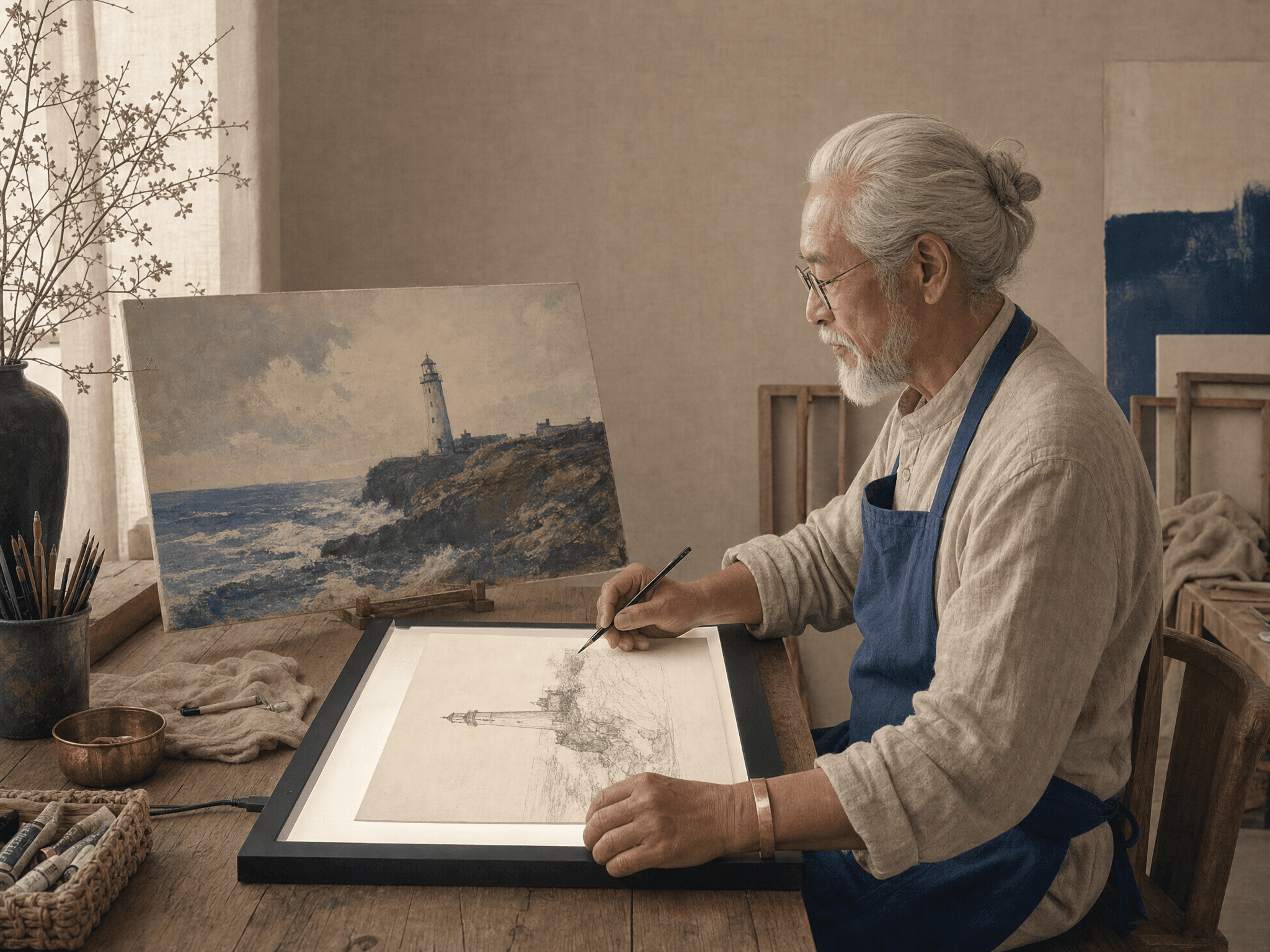
We left the last chapter with a real headache: edit LoRAs demand before/after pairs aligned to the millimeter, and life rarely hands those over. The fix turns out to be refreshingly practical: we manufacture the pairs ourselves with an editing model. Since one face of every card is derived from the other, the alignment problem is solved before it can even start.
The light table trick
Imagine our painter owns a light table. Underneath sits a finished, detailed painting; on top, a blank sheet. The painter follows the outlines glowing through and pulls a sketch right off the painting. Because the sketch is born directly from the painting, the composition stays identical. Generative editing models do exactly this light table duty for us.
For the sketch-to-painting LoRA in this guide, this was the route:
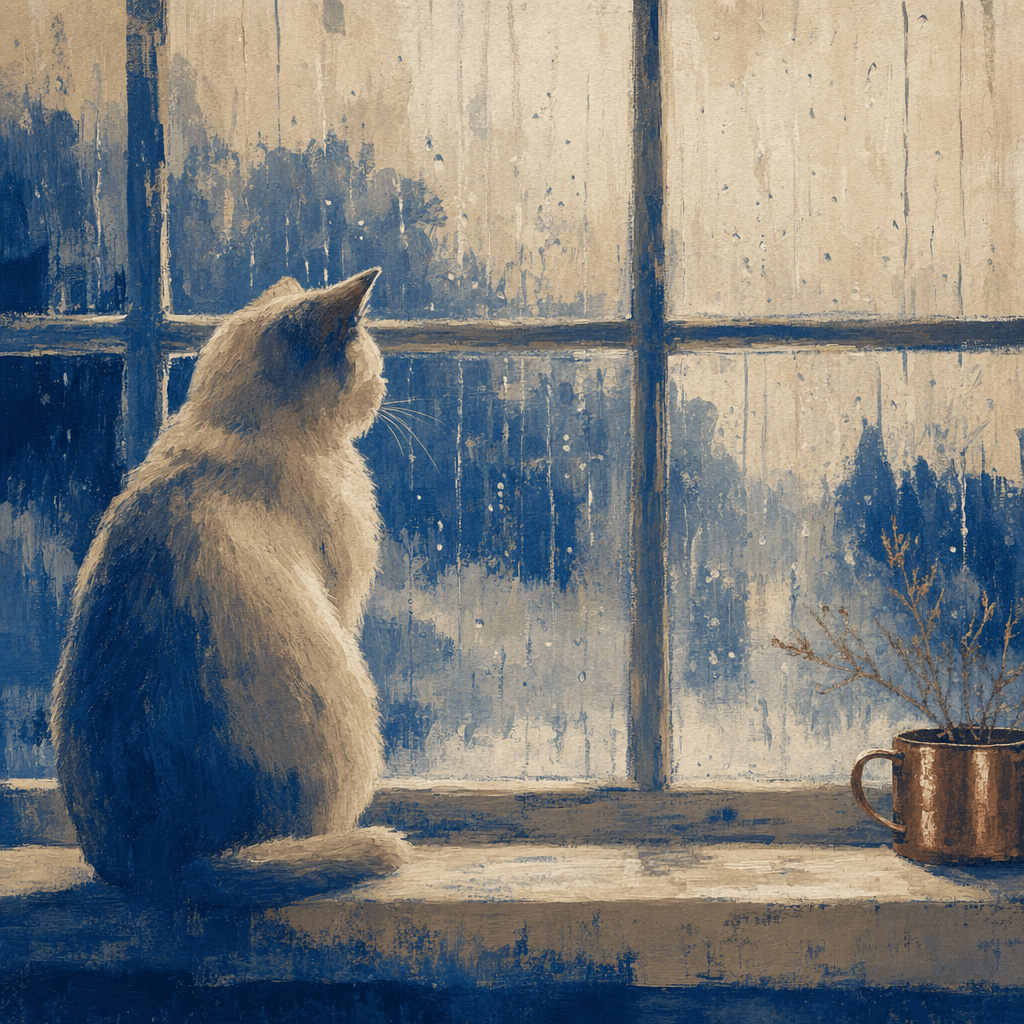
- We made the "after" side first. Fifteen finished gouache paintings in one consistent style, with the subjects varied: lighthouses, harbors, foxes.
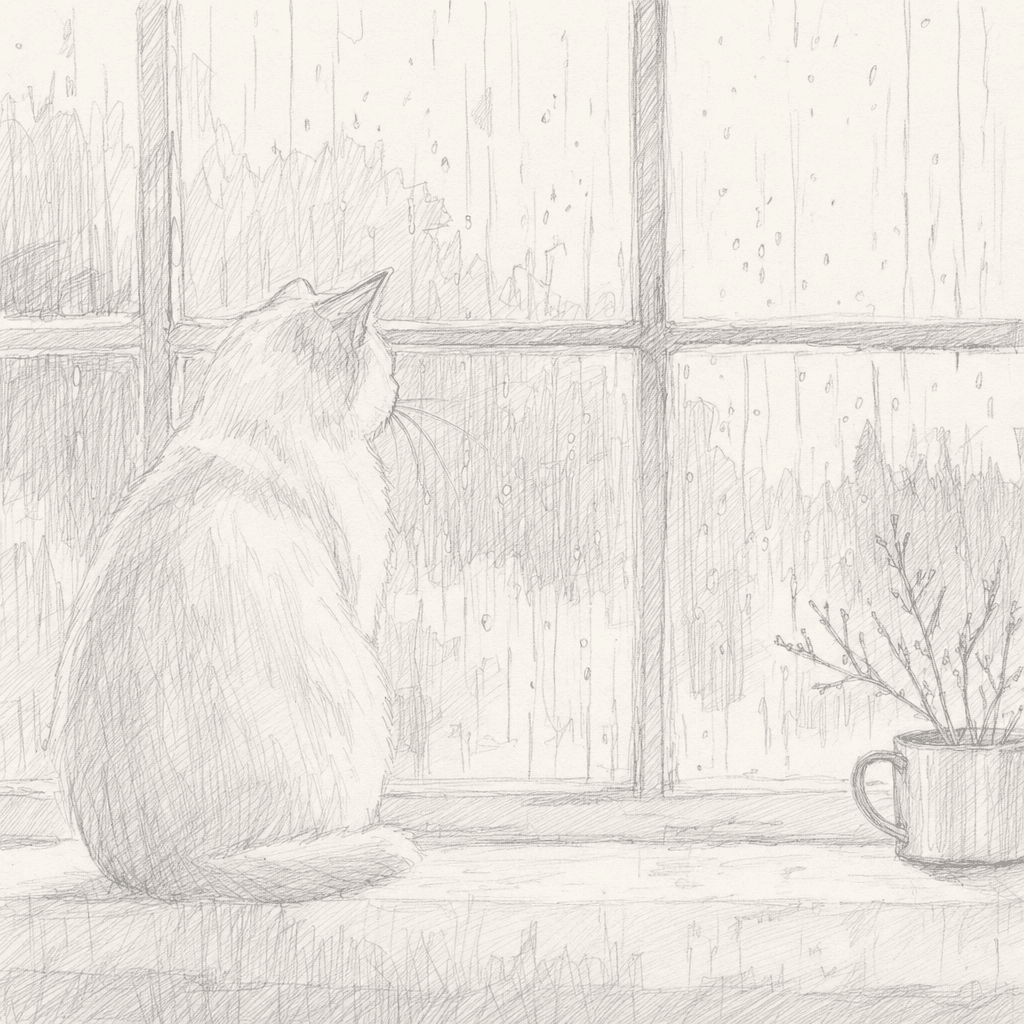
- We derived the "before" side from them. Every painting went through an editing model (GPT Image 2's edit endpoint, in our case) with one clear instruction: turn this into a loose pencil sketch, and don't touch the composition.
- We zipped it up.
p01_start.png(the sketch) andp01_end.png(the painting). Fifteen rounds of that, and out came an album as healthy as a newborn.
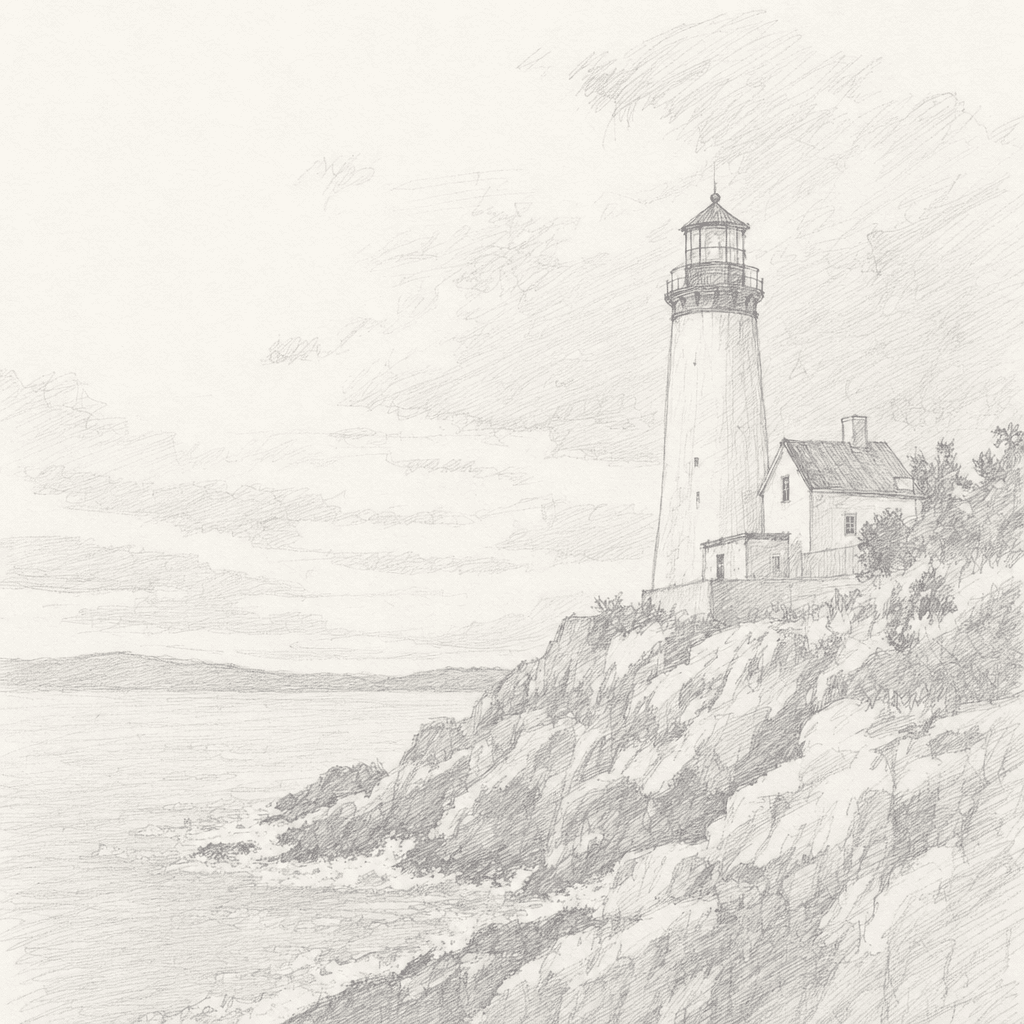

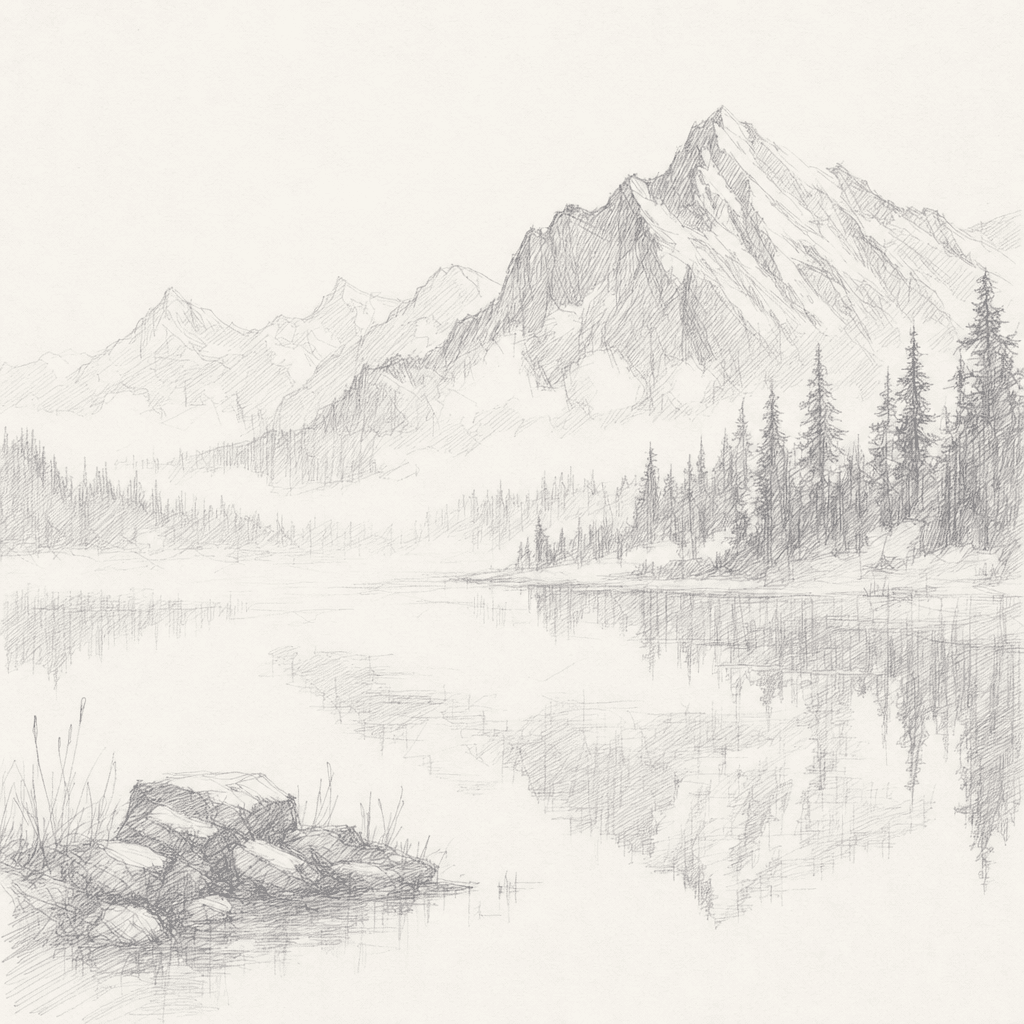
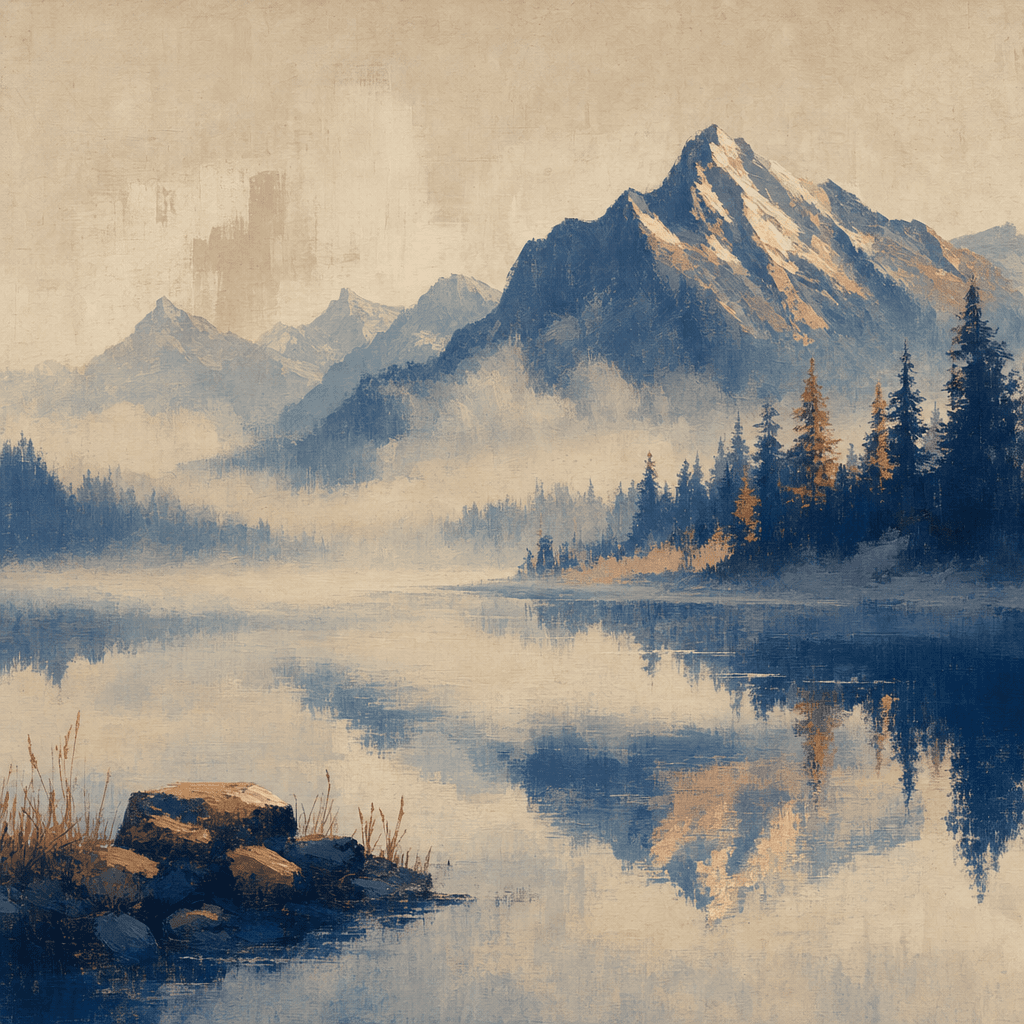

Why derive the hard one from the easy one?
The golden rule: always produce the rich image first and derive the simple one from it. Painting to sketch is the safe direction, because the only thing happening along the way is information getting thrown out. Had we gone the other way, the editing model would have had to invent the details, wandering down a different path each time, and we'd have handed our painter a wildly inconsistent lesson.
What else can we make this way?
- Restoration: take clean photos, add scratches with the editor, and train from old to new.
- Colorization: drain the saturation out of color photos, and a grayscale-to-color skill drops out.
- Staging: let the editor place studio shots out into real life, and we've got a product placement LoRA.
Whichever route we pick, the one rule that decides quality still stands: nothing besides the transformation may change. If the editor nudged the composition even slightly, that pair goes in the bin, no mercy.
Quality, not quantity
Fifteen clean pairs are more than enough for the Klein edit trainer to produce something great. Pushing the count to fifty at the expense of care is a losing trade; we'd much rather hand our painter a small stack of crystal-clear examples than a pile of confusing ones.
And with that, the loop of the atelier closes: albums, captions, steps, learning rate, scale. Everything is in place to bring that one idea you've been carrying around to life. The Advisor can turn a concrete goal into a trainer choice and a parameter set, and the trainer wall keeps a full reference for every endpoint within arm's reach.