The labs
The course did the explaining; here the knobs are in our hands. The lab holds three kinds of experiment. Real trainings: LoRAs we trained on Klein 9B changing a single parameter each time. Staged demonstrations: examples we recreated and exaggerated so we can get to know each failure properly. And tests: two little games that tell us whether the course actually stuck.
Real trainings
In every experiment the dataset, seed and prompt stay fixed. So whatever changes on screen, the only thing changing it is that one parameter.
Scale: 0 to 4
This knob lives on the inference side. The subject fades in slowly, then settles, and eventually tips over into caricature. Let's scrub through and watch.
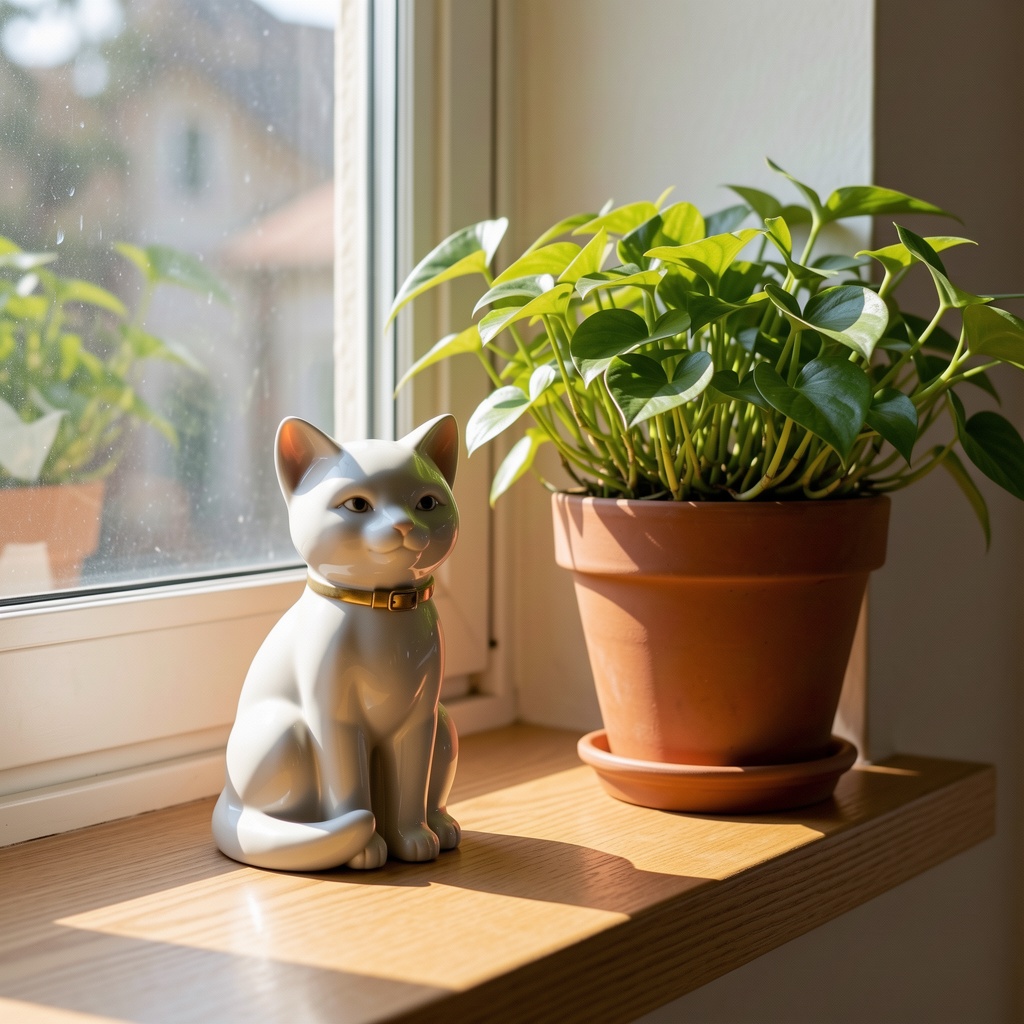
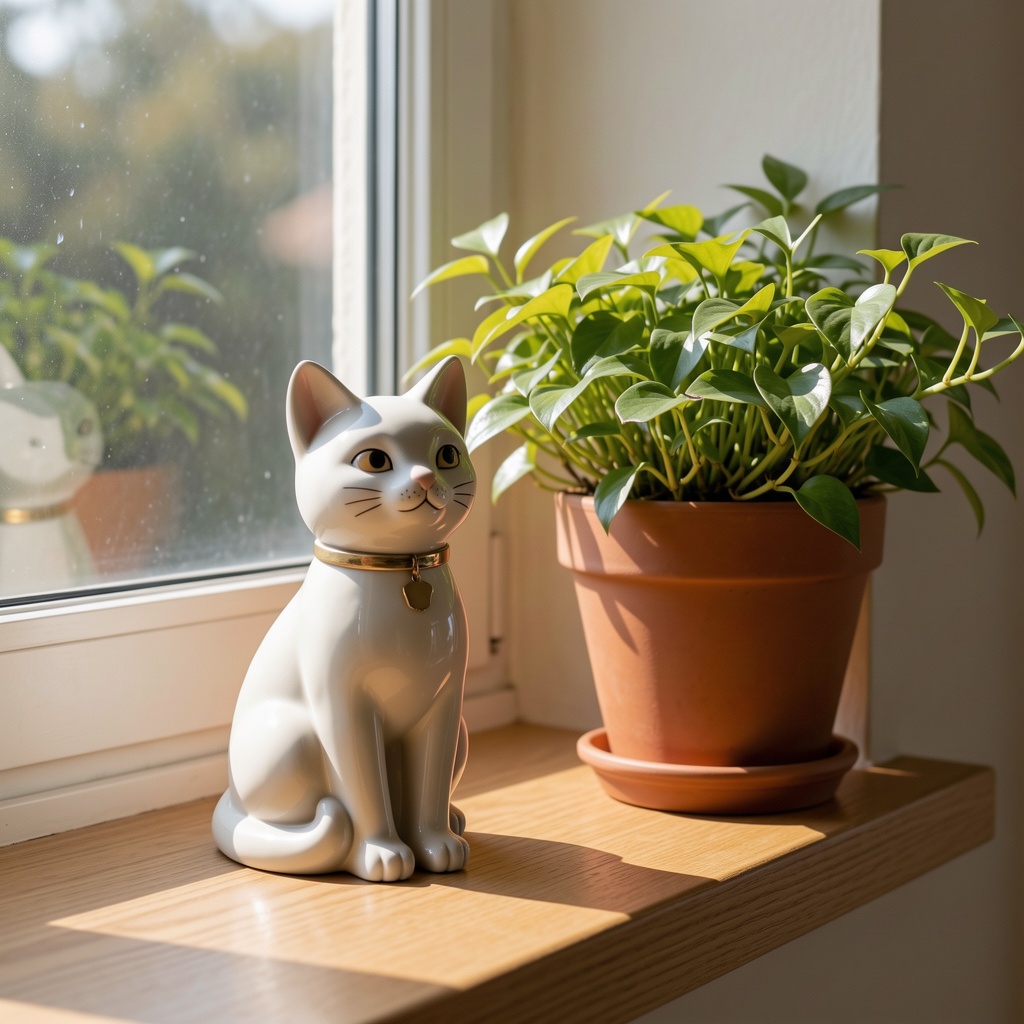
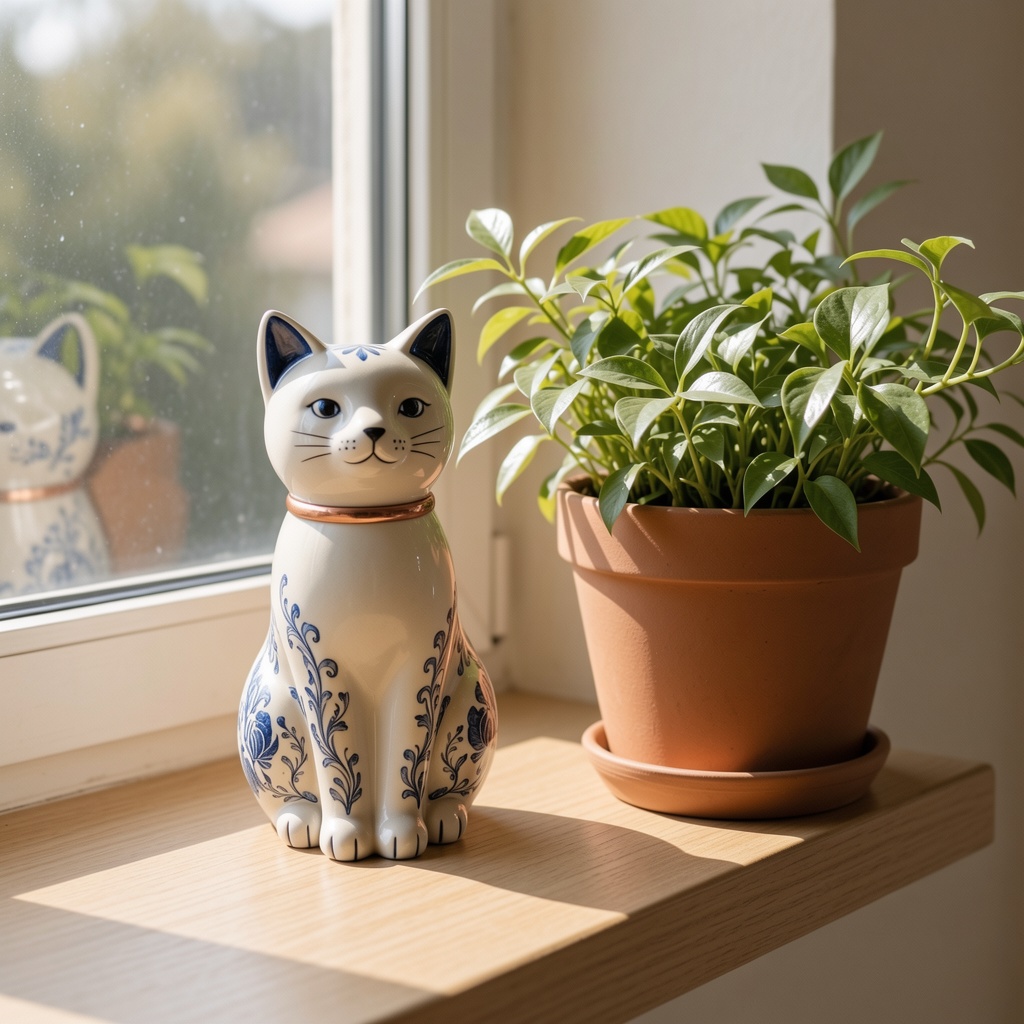
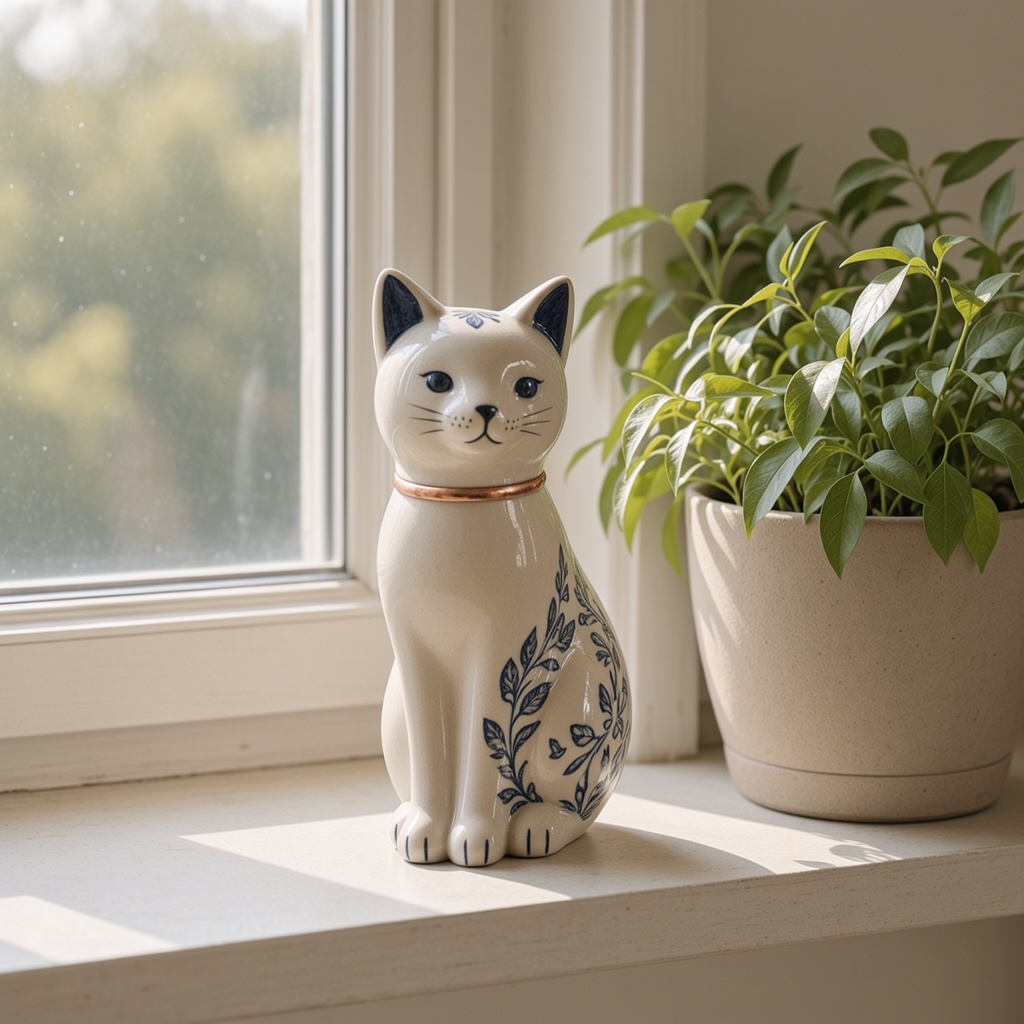
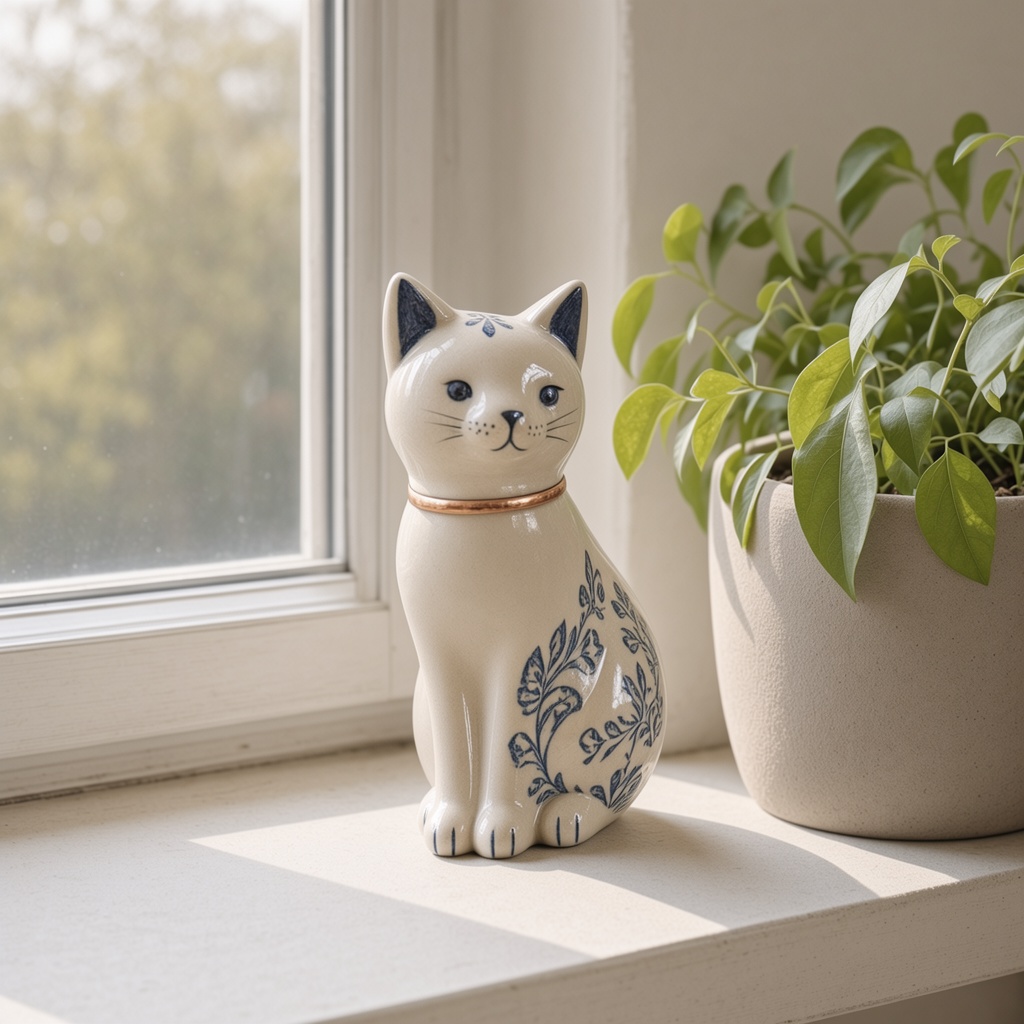
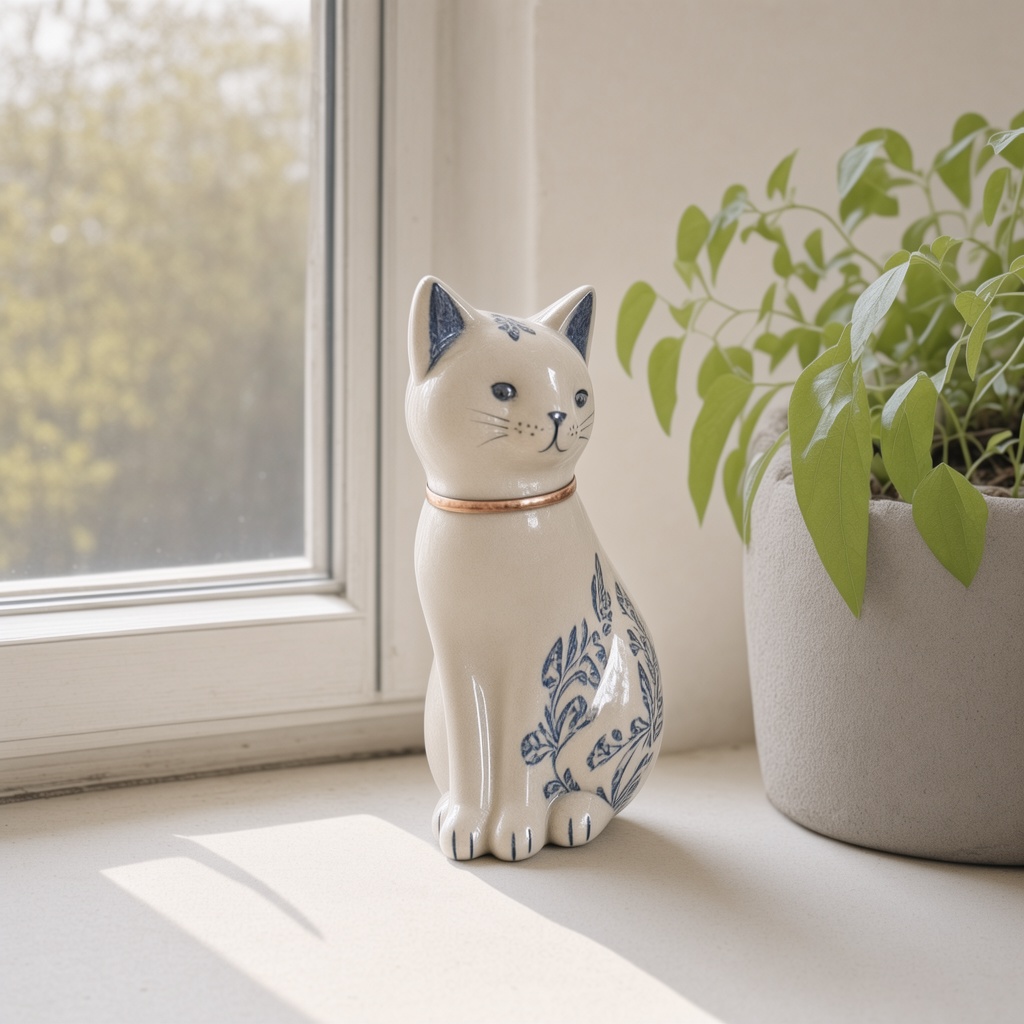
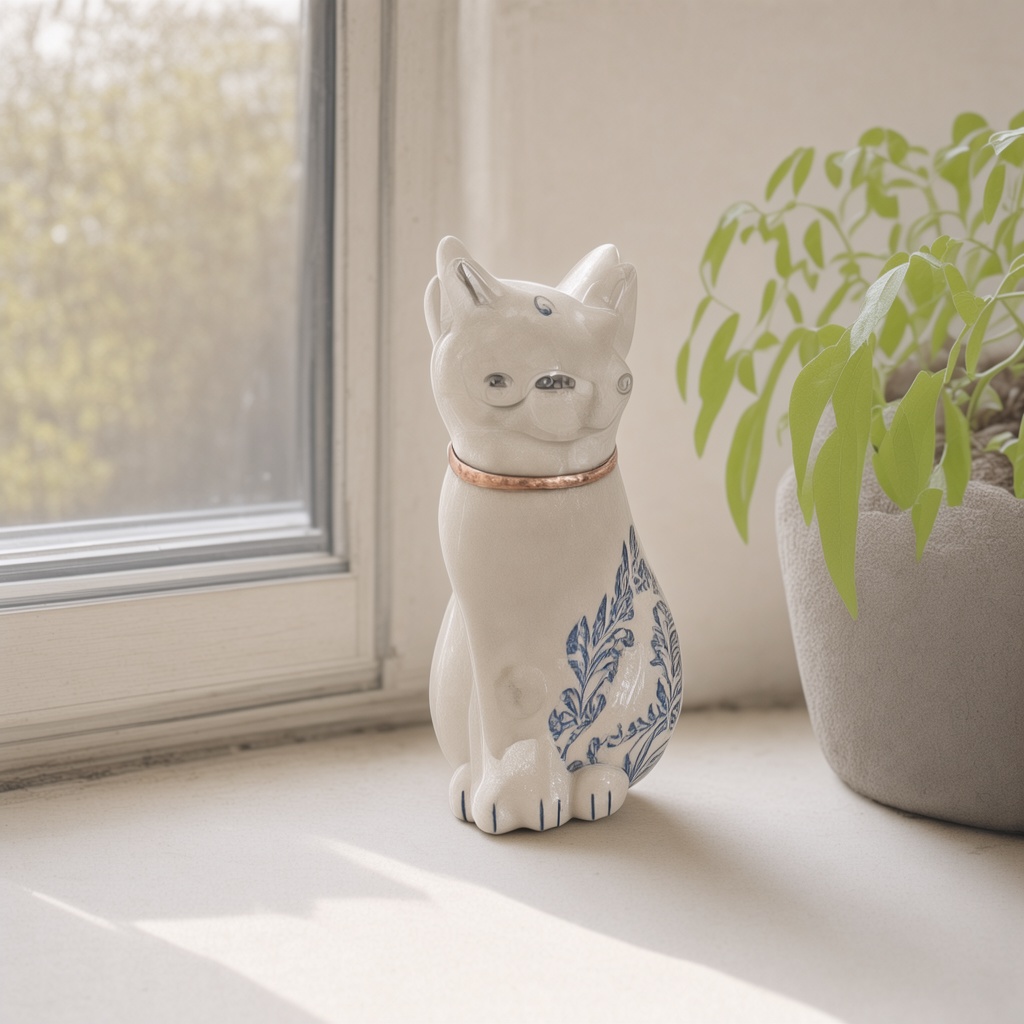
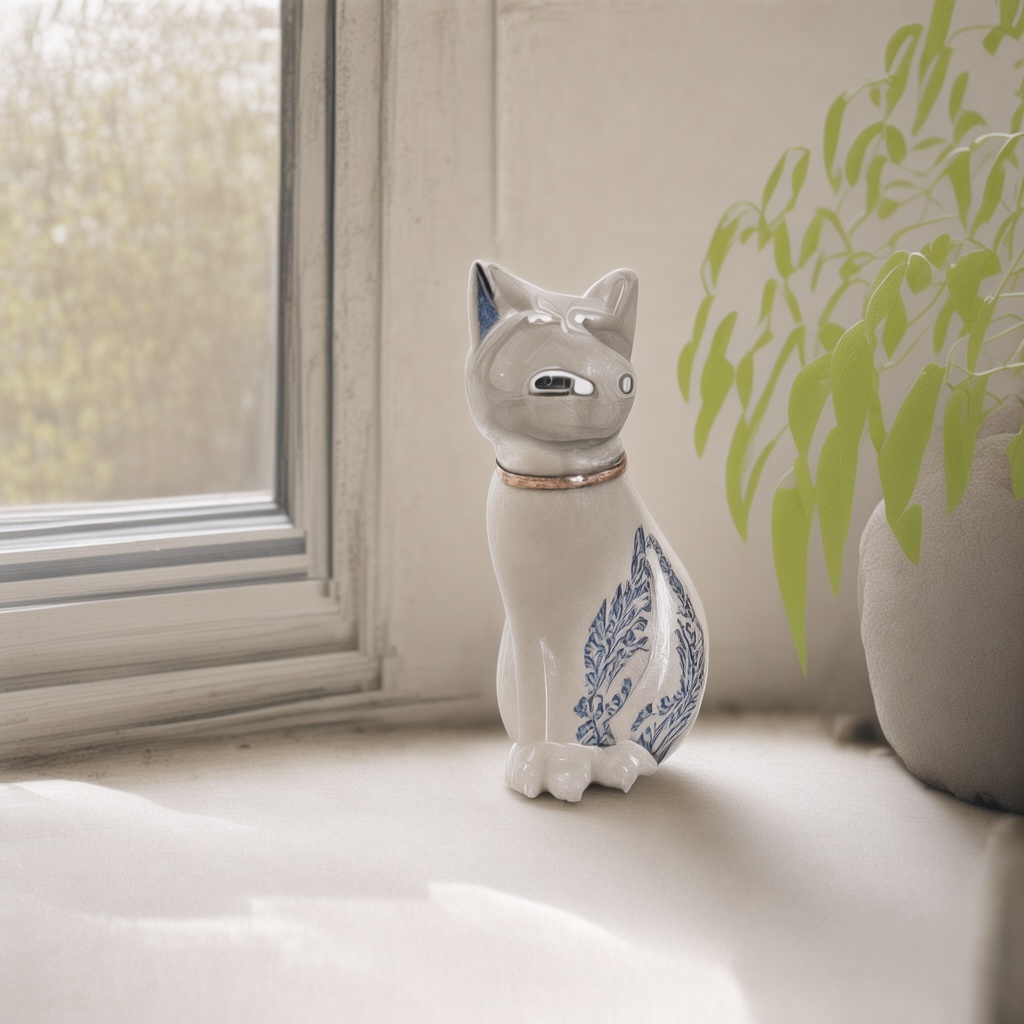
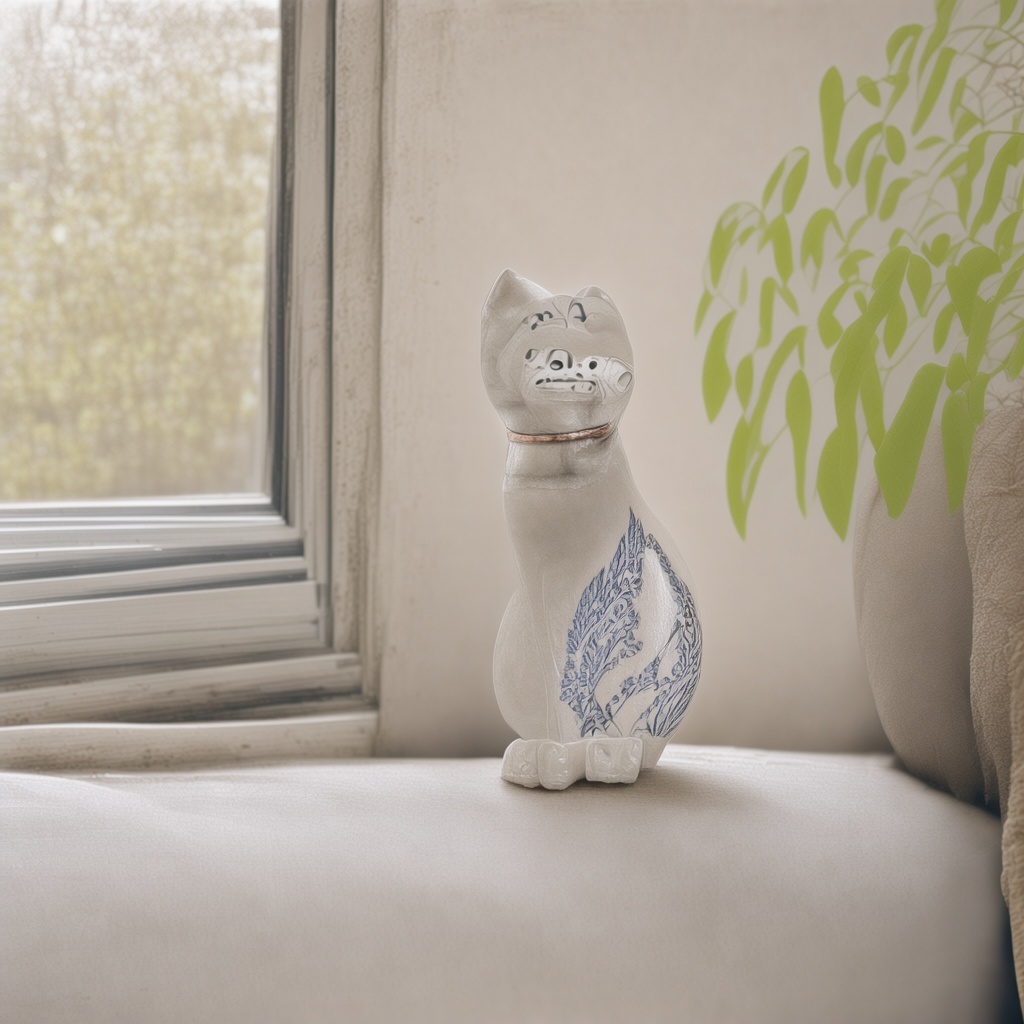 scale: 1.00
The seed and the prompt never change: a photo of TOK ceramic cat figurine sitting on a sunny windowsill beside a potted plant
Steps: 300 to 2500
We ran five separate trainings on an album-like prompt. The differences are very subtle, and that subtlety is exactly why overfitting slips past people; the learning arc below shows what it grows into over time.
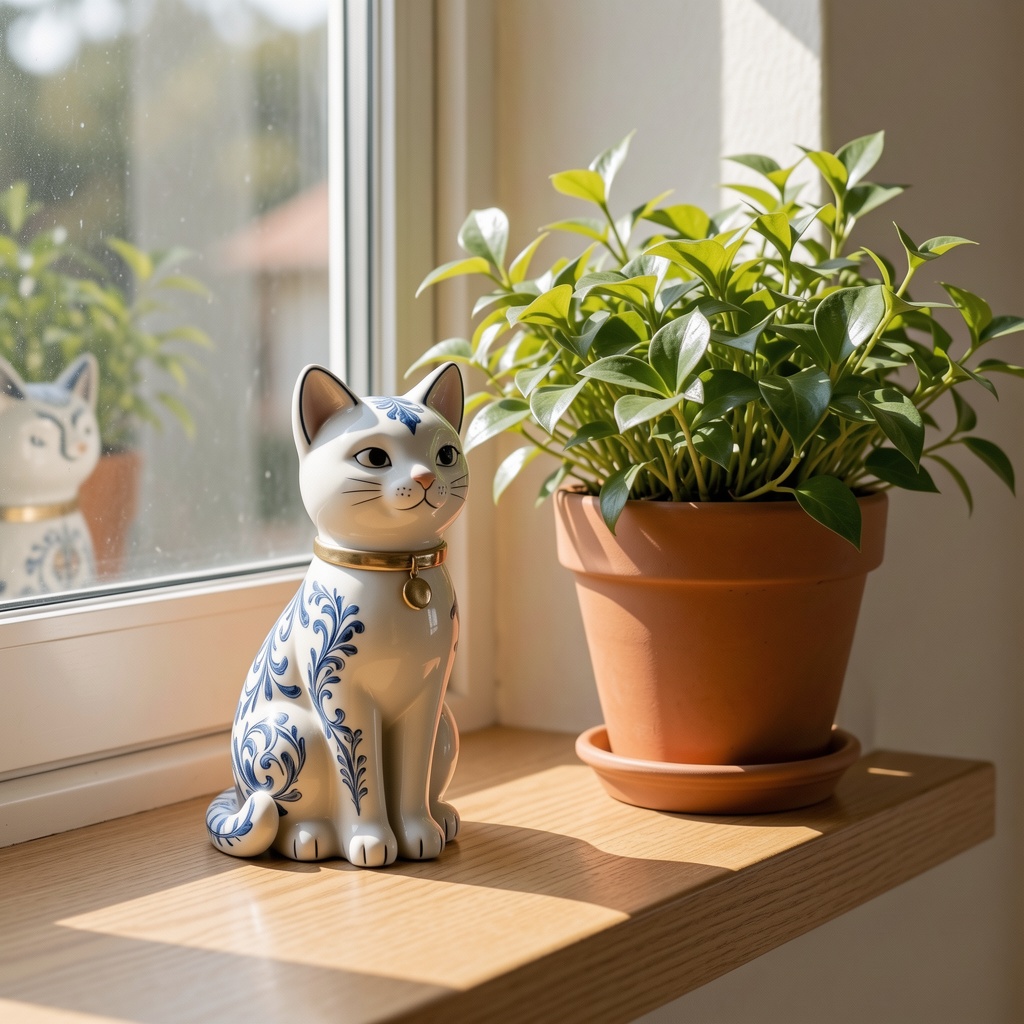
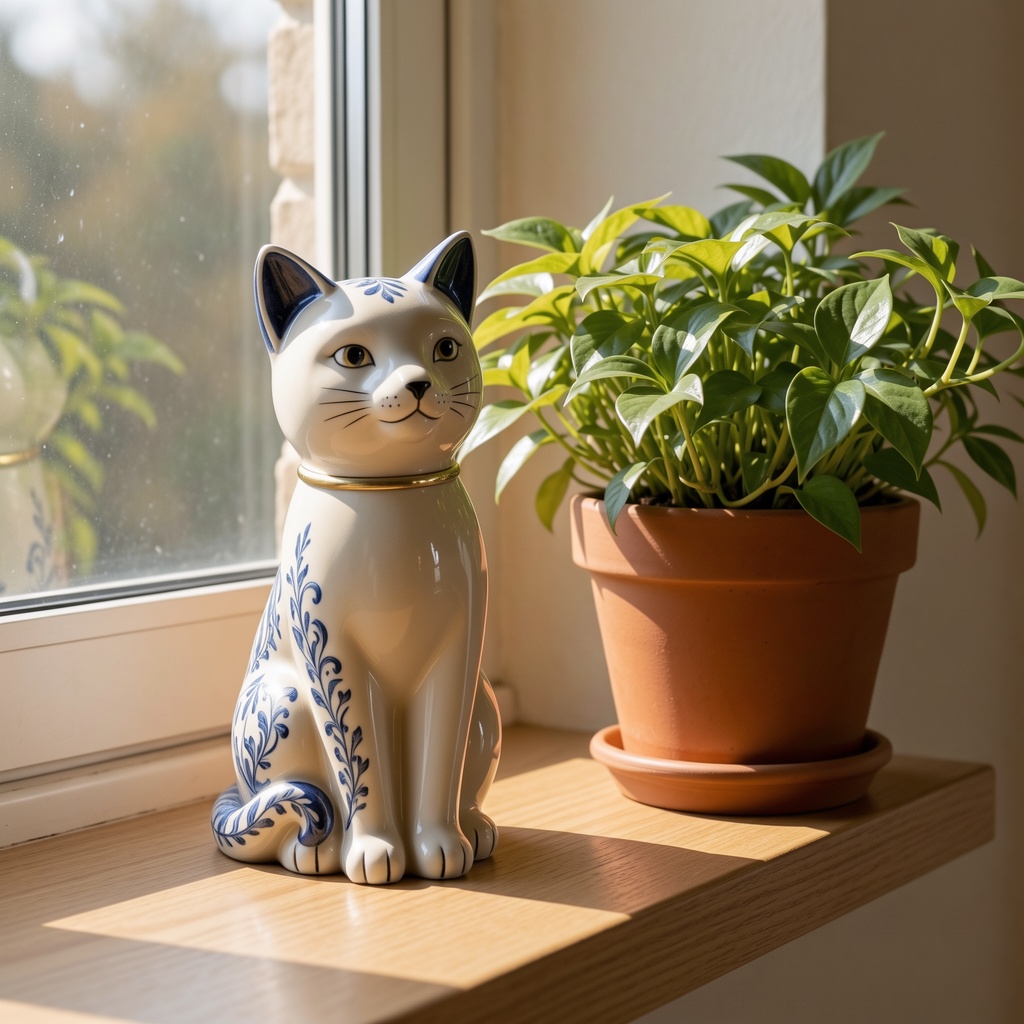
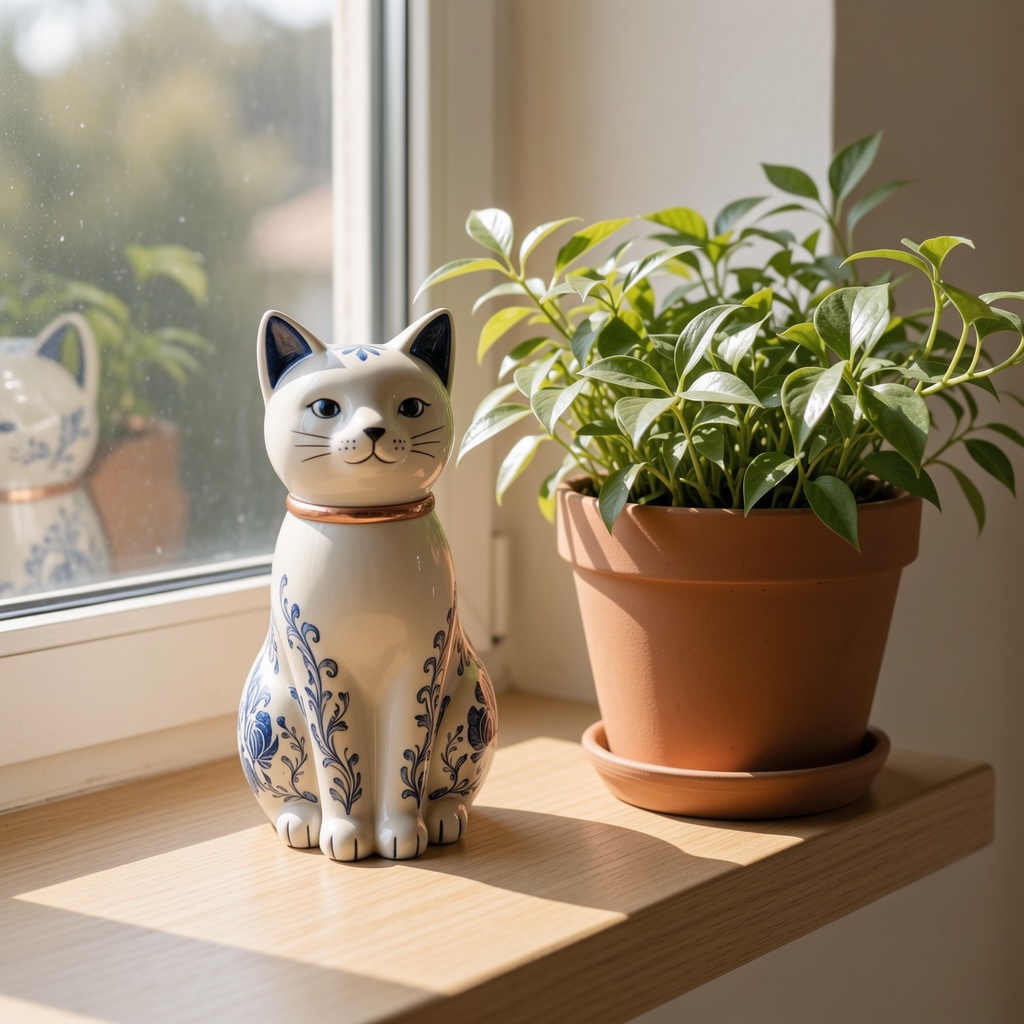
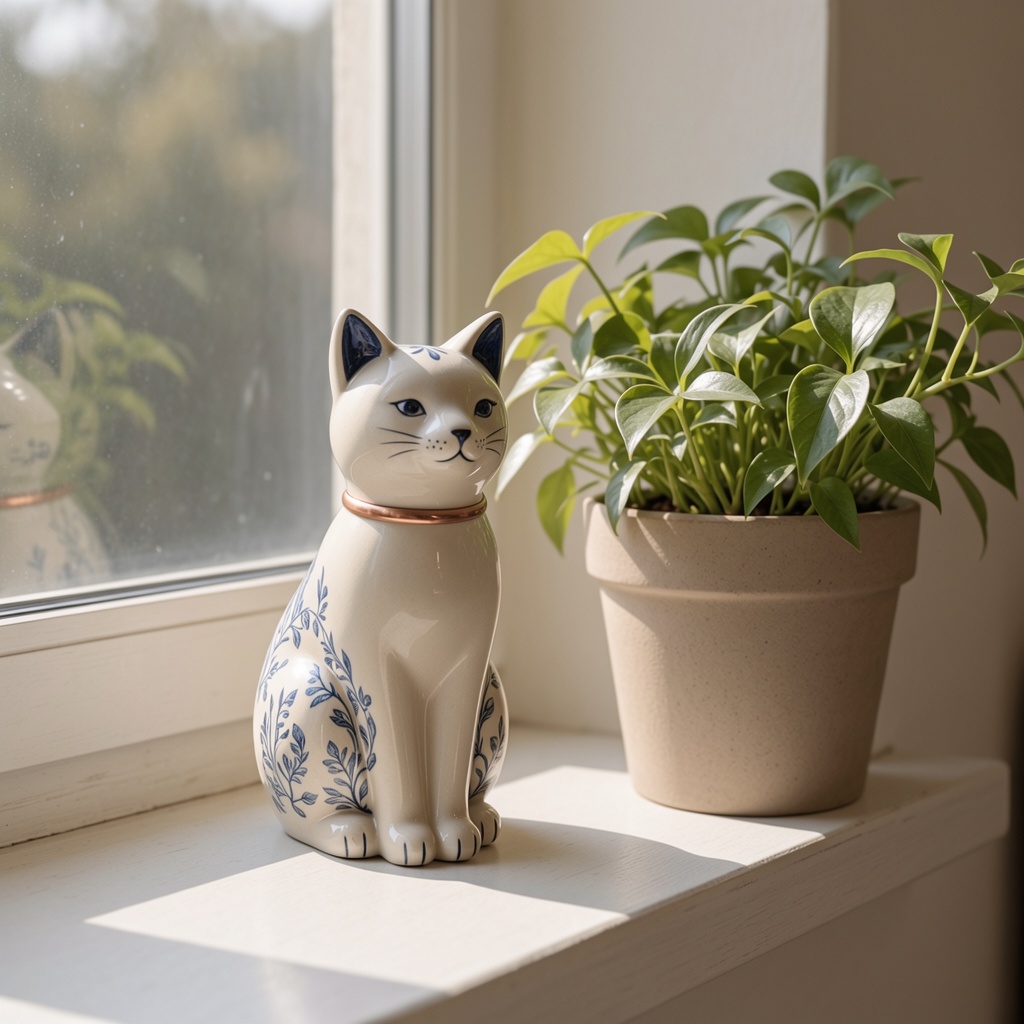
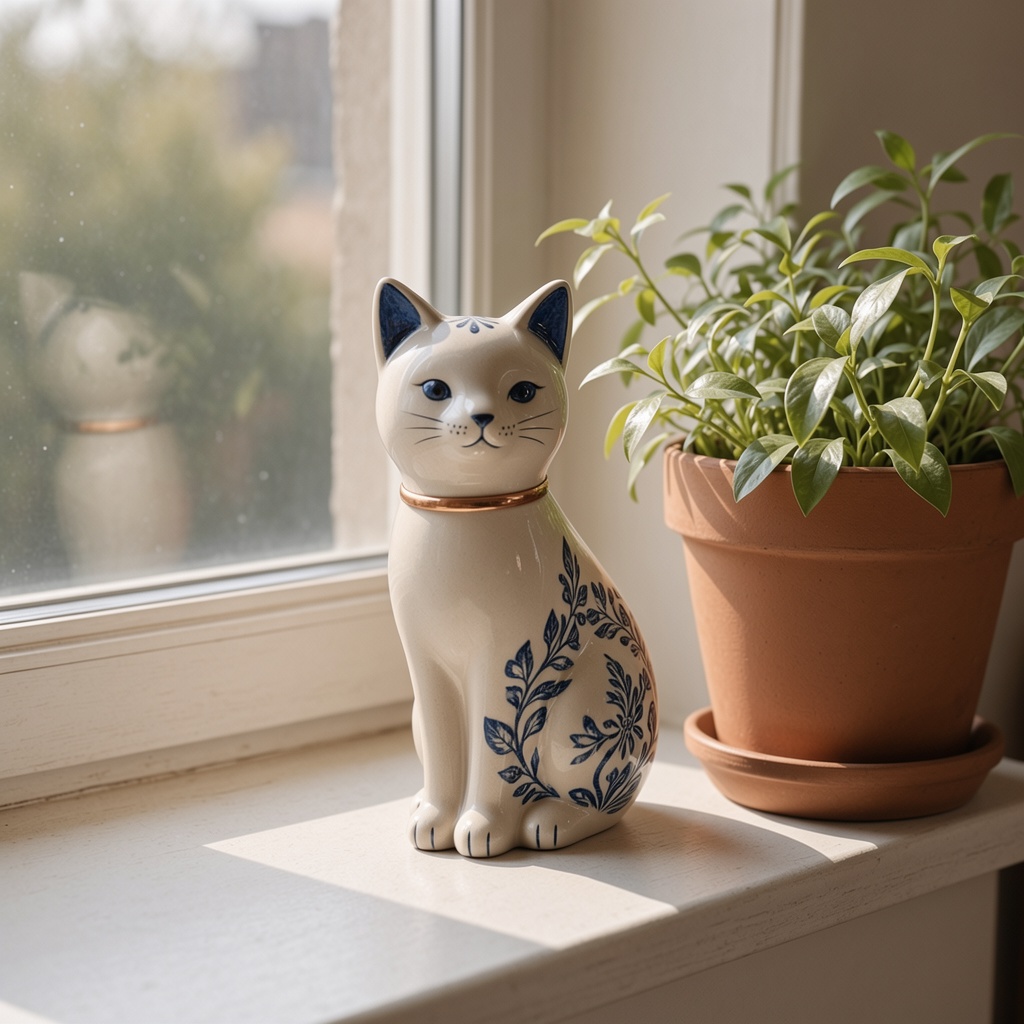 1000 steps
Everything except steps is identical: a photo of TOK ceramic cat figurine sitting on a sunny windowsill beside a potted plant
Learning rate: three real runs
We ran three trainings at 1e-5, 5e-5 and 2e-4. Steps and seed are the same in all three.
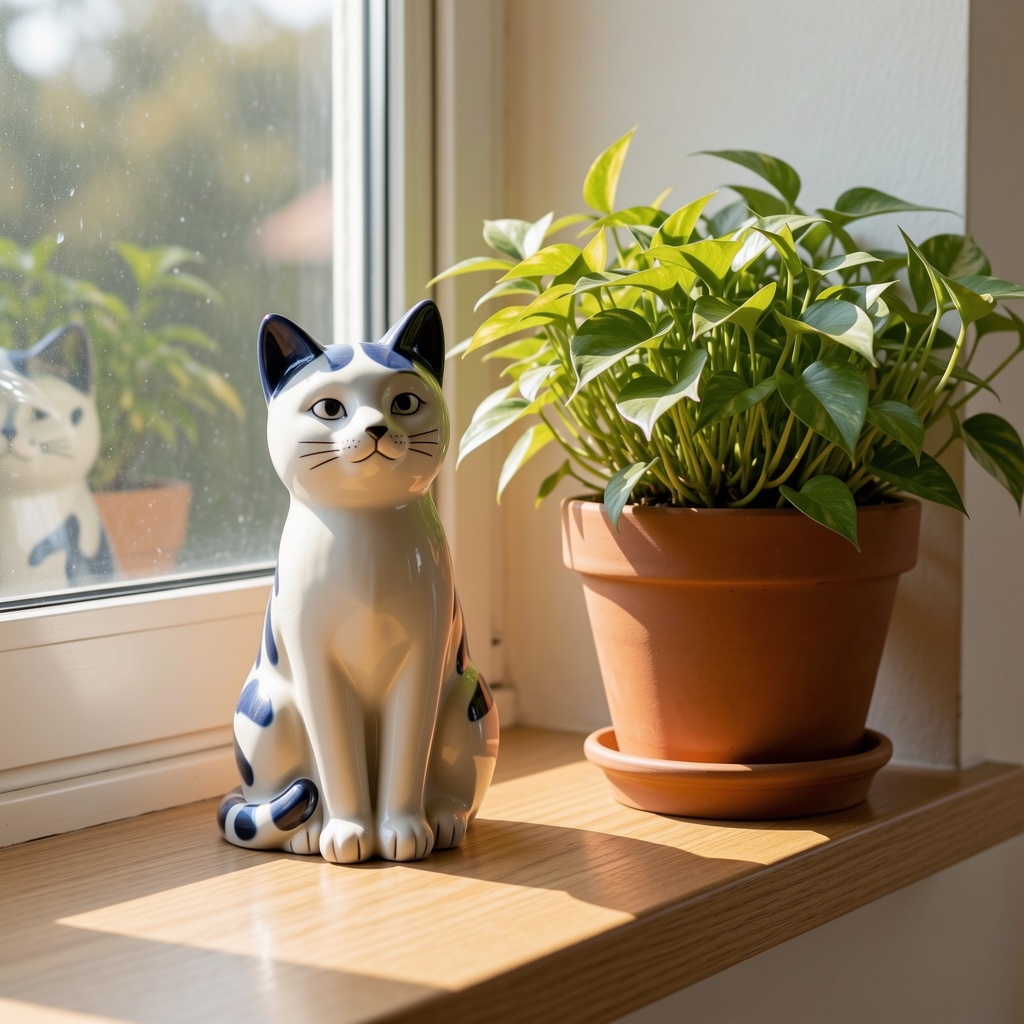
1e-5 · timid
Look at the body patterns: simplified, and partly made up. The identity is on its way, but at this pace 1000 steps wasn't enough time.
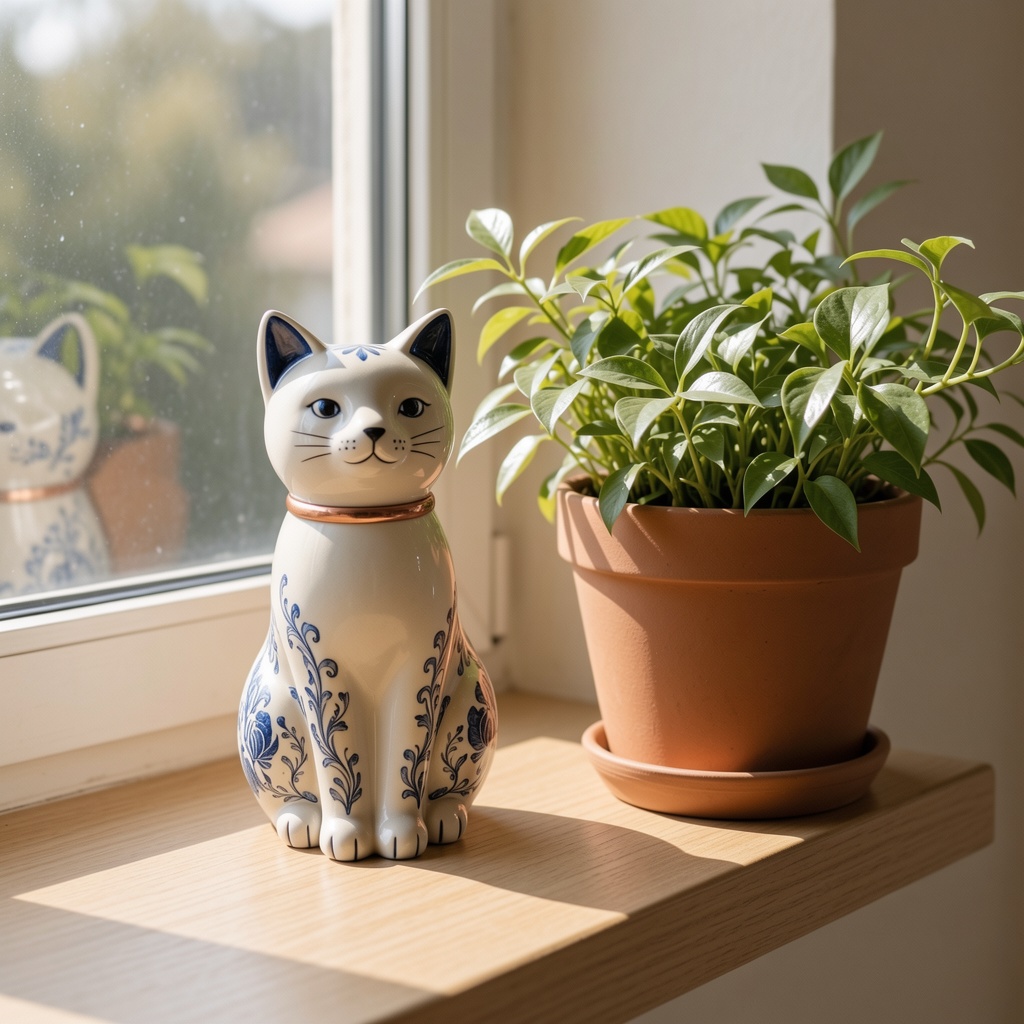
5e-5 · default
The trainer's default. This is the closest match to the real figurine, and the model's base skills are right where we left them.
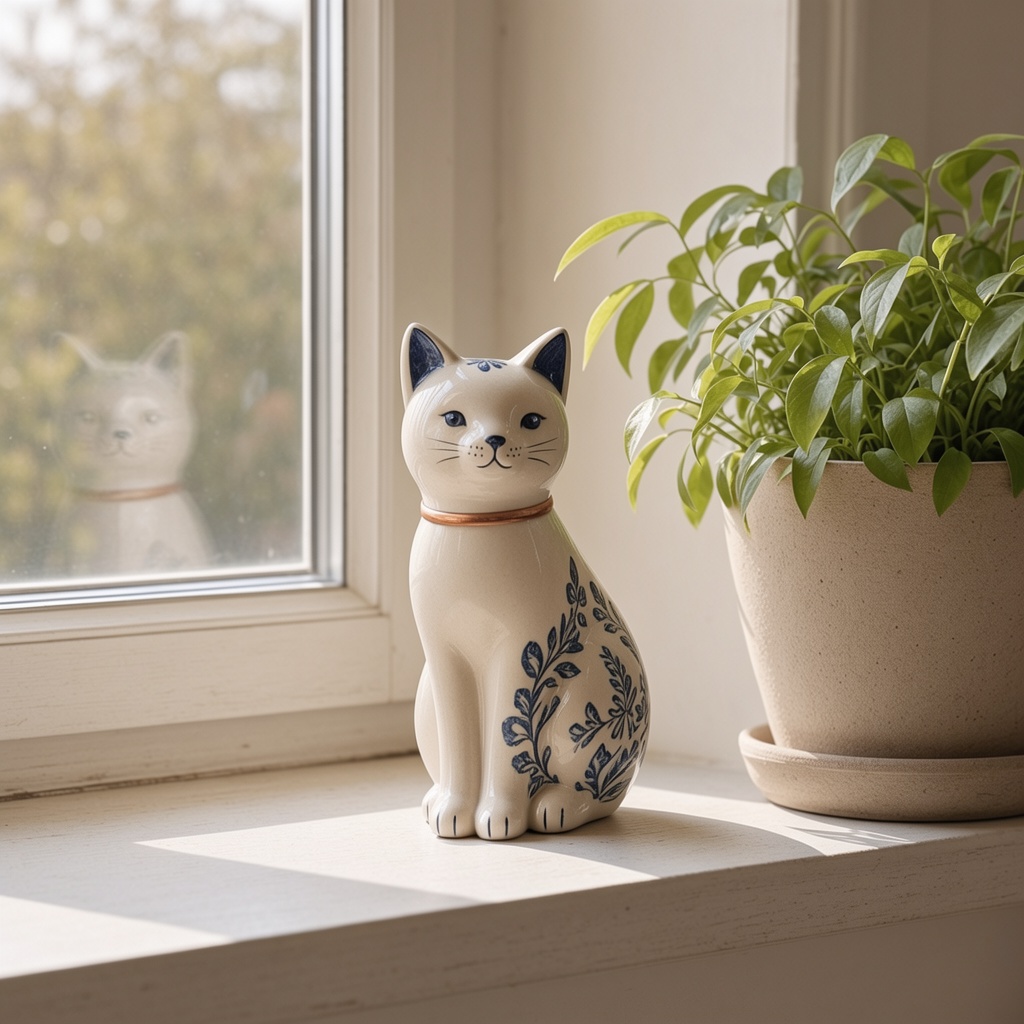
2e-4 · frantic
It still doesn't look bad here, and that's the real lesson: an overly high learning rate often gets by on album-like prompts and falls apart on everything else.
All three trainings share the same dataset, the same 1000 steps, the same prompt and seed: a photo of TOK ceramic cat figurine sitting on a sunny windowsill beside a potted plant
Multi-LoRA mixer
We wear the TOK subject bracelet and the TOKSTYLE style bracelet together at different scale values. Let's see how the painter balances the two.
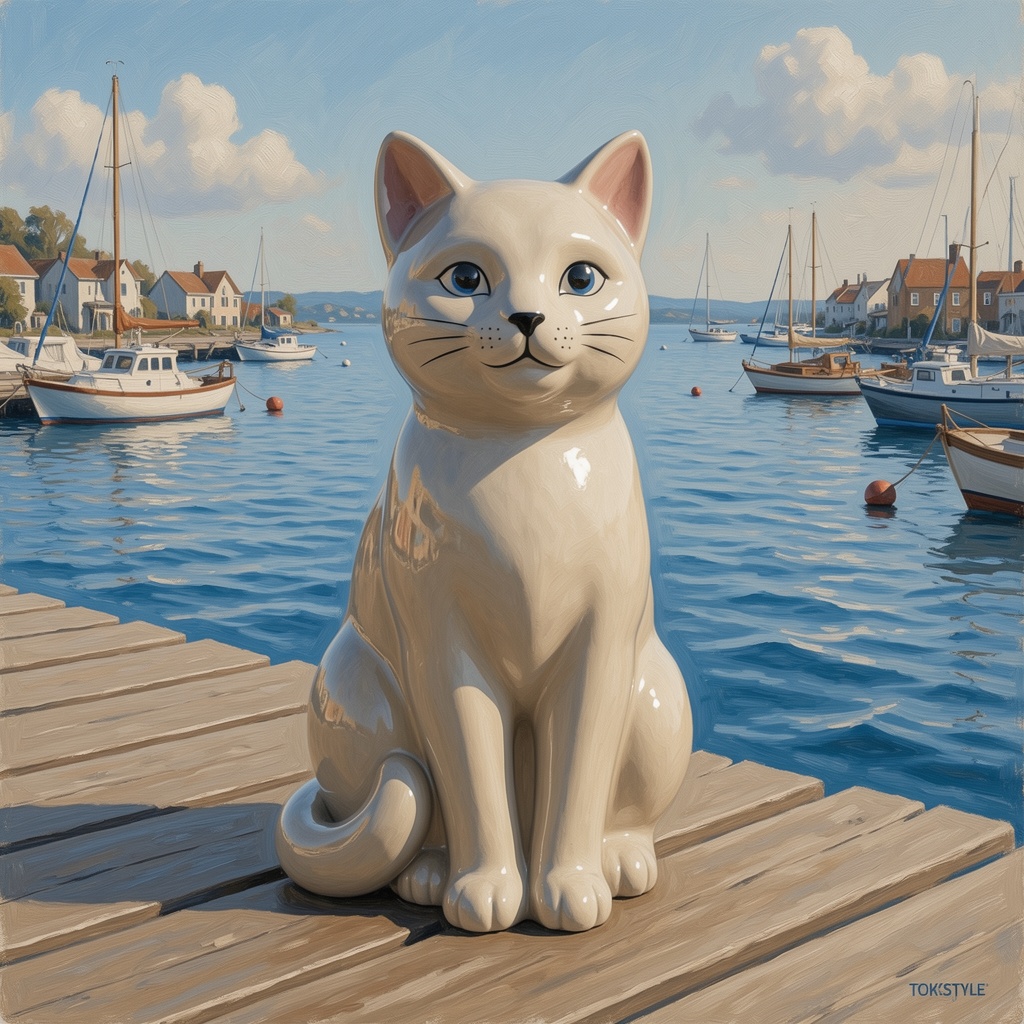
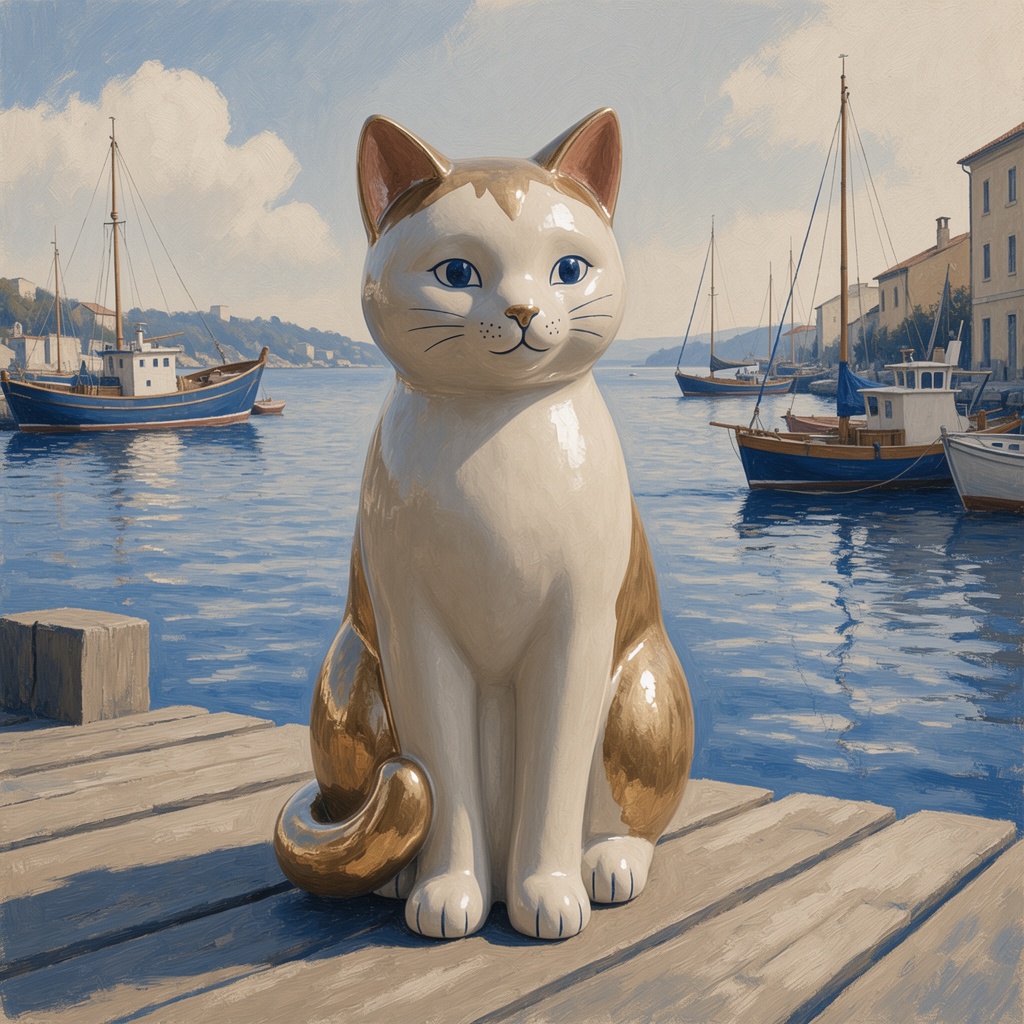
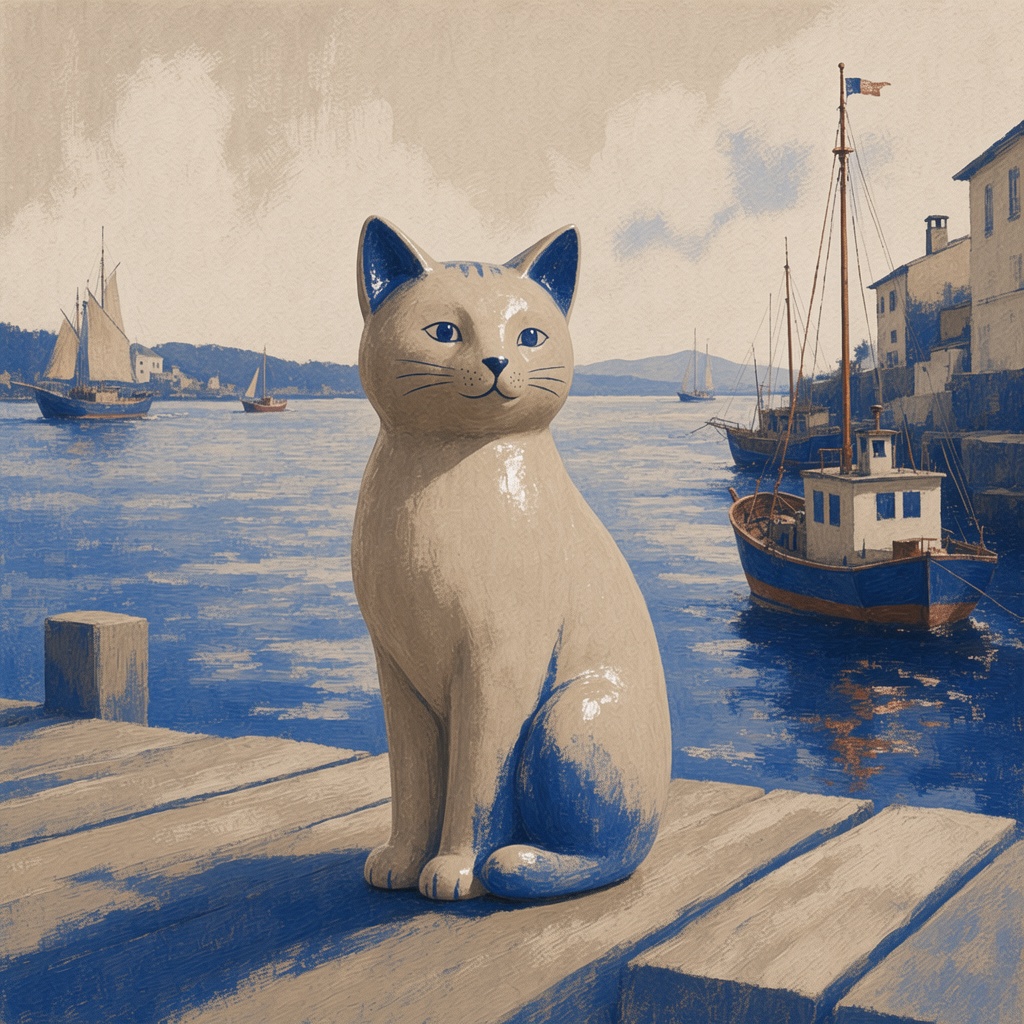
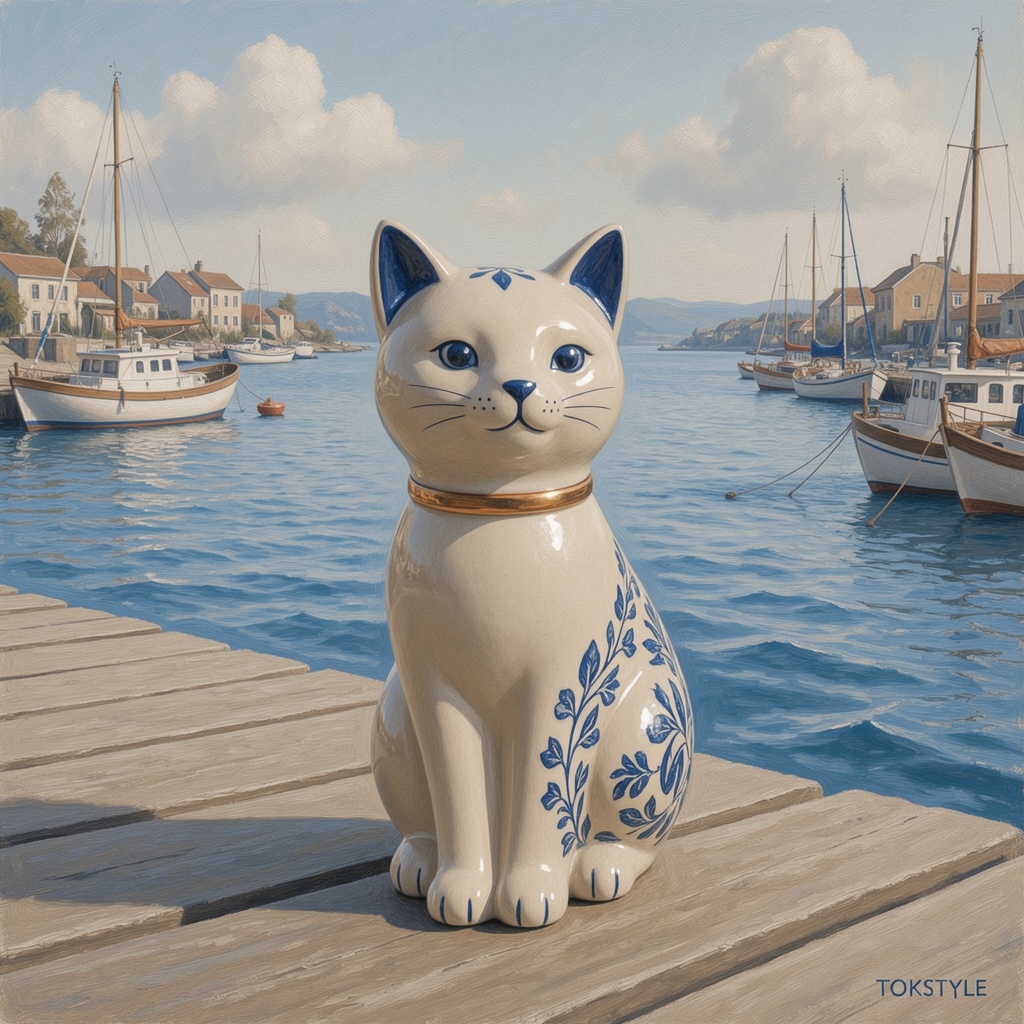
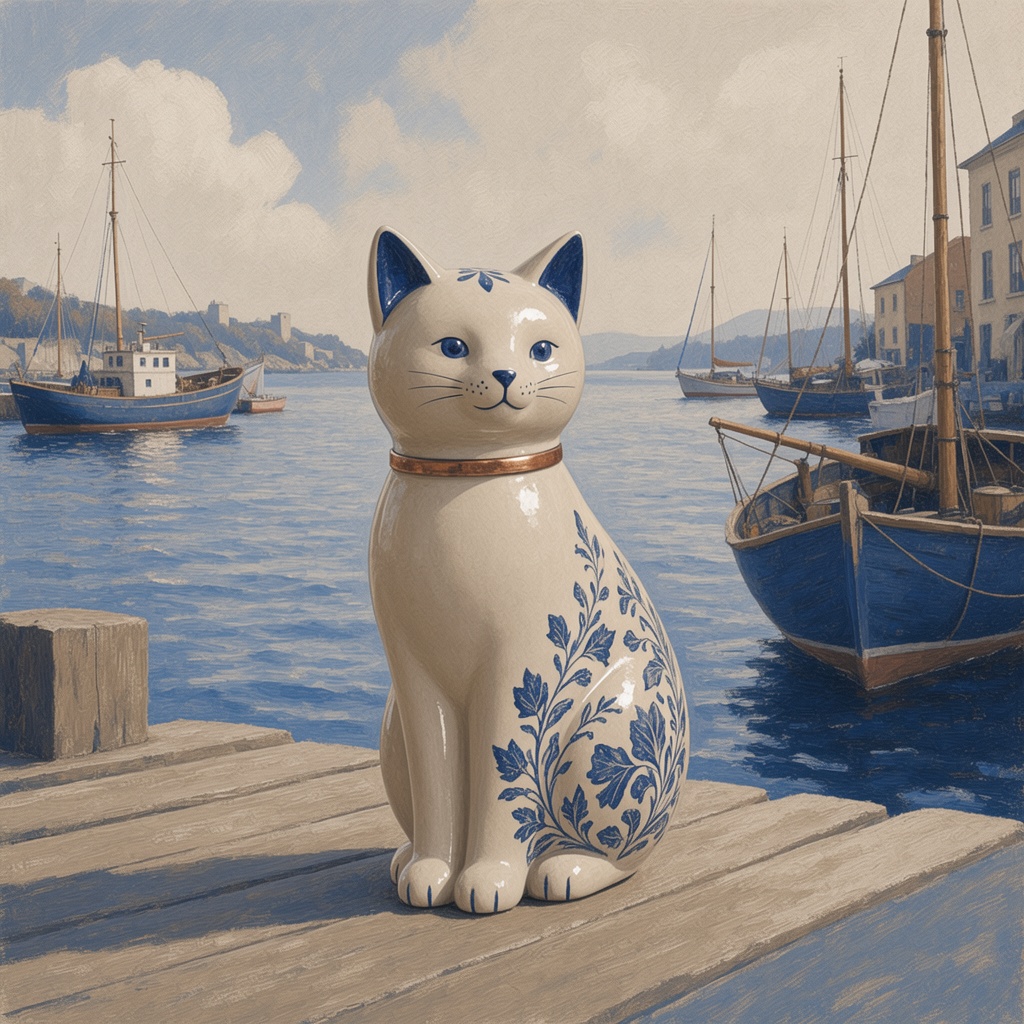
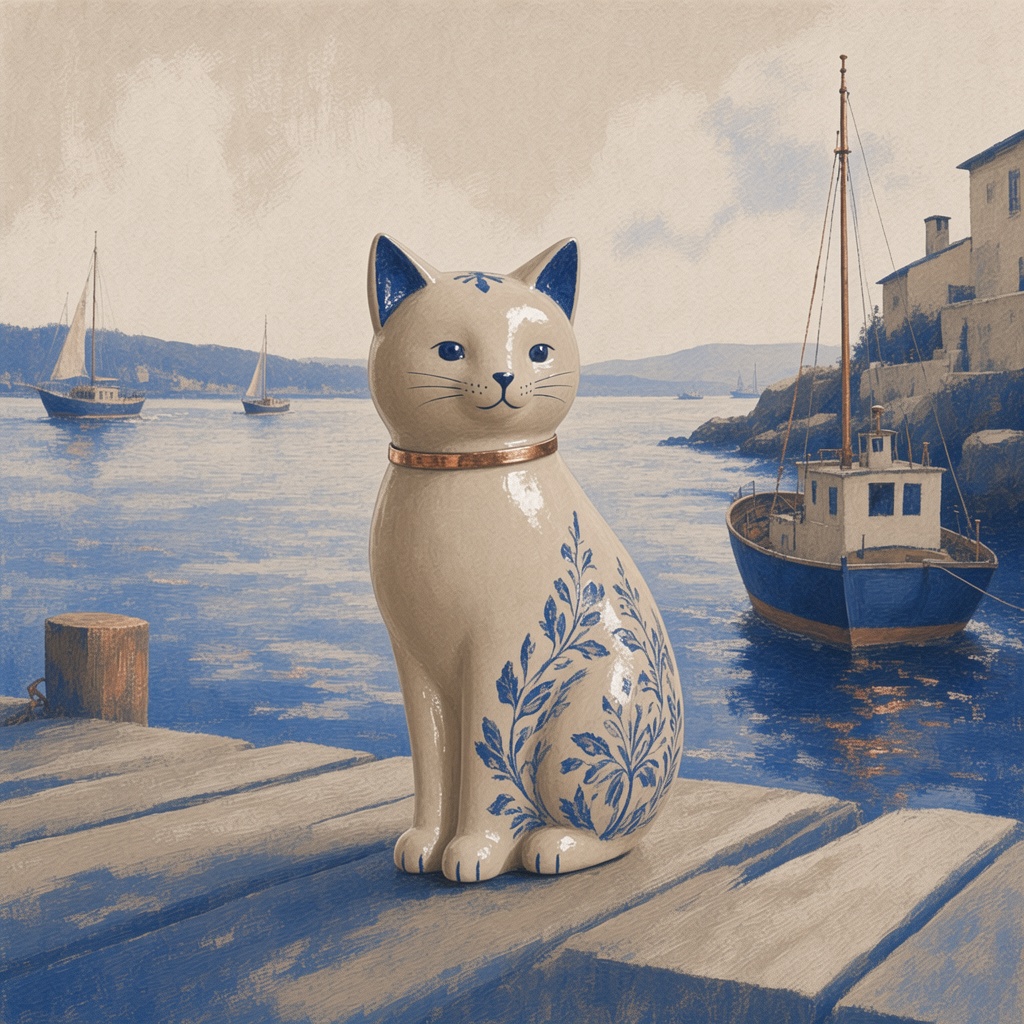
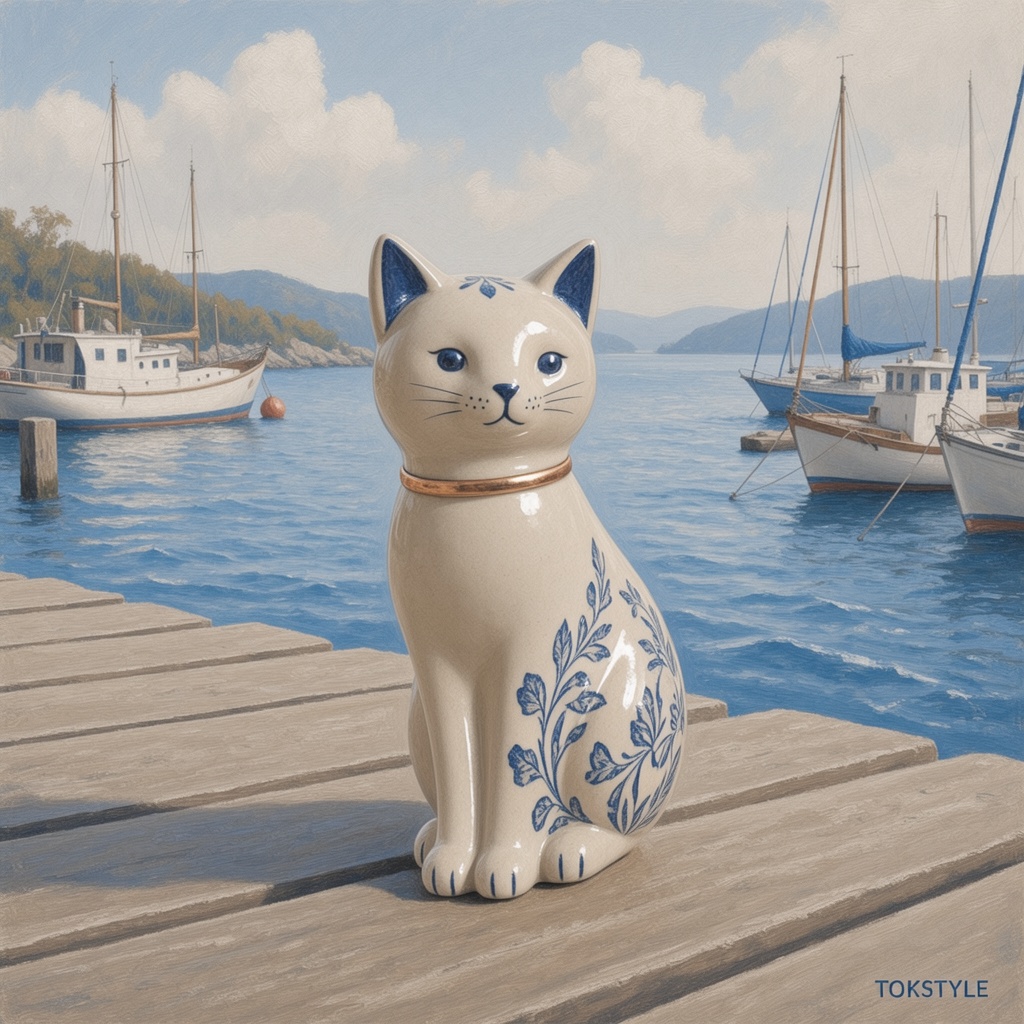
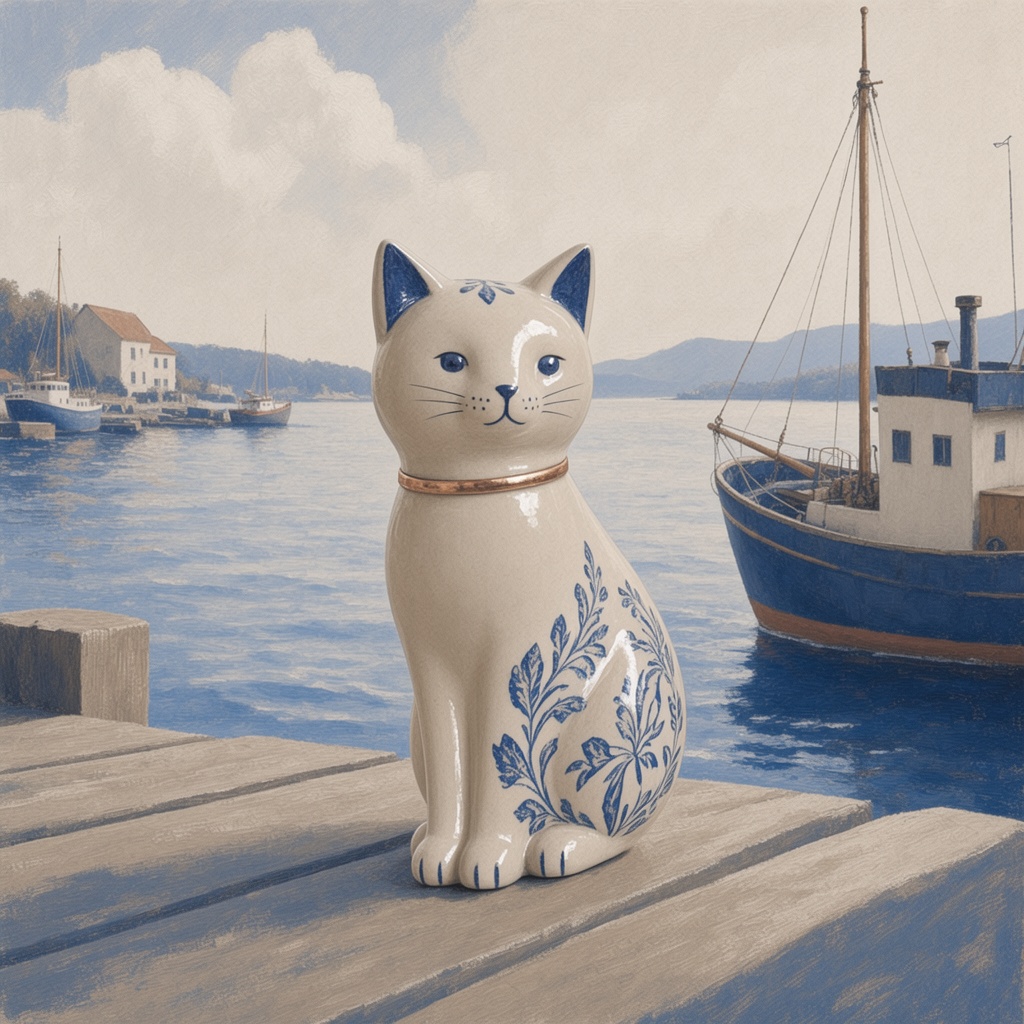
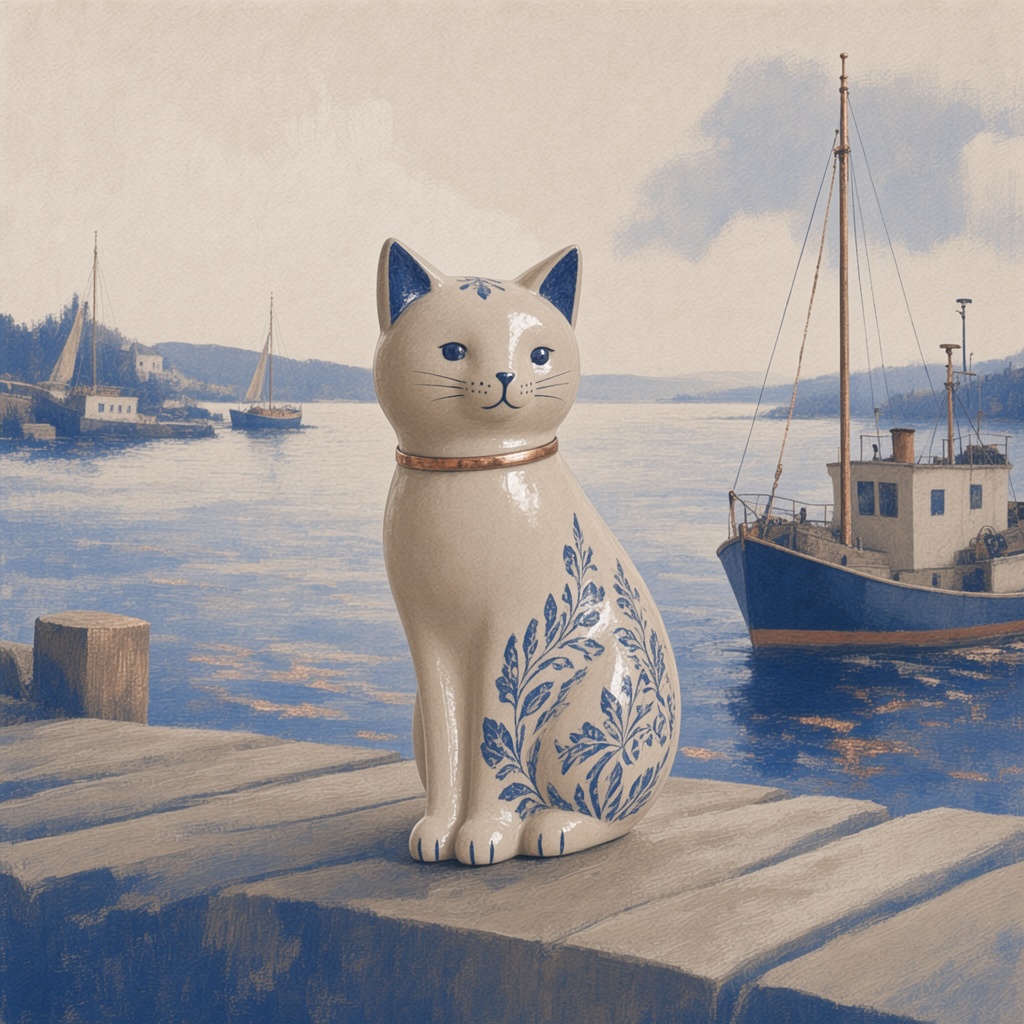 TOK 1 · TOKSTYLE 1
Both bracelets worn on Klein 9B at the same time: TOK ceramic cat figurine on a harbor pier, a TOKSTYLE painting
The edit LoRA at work
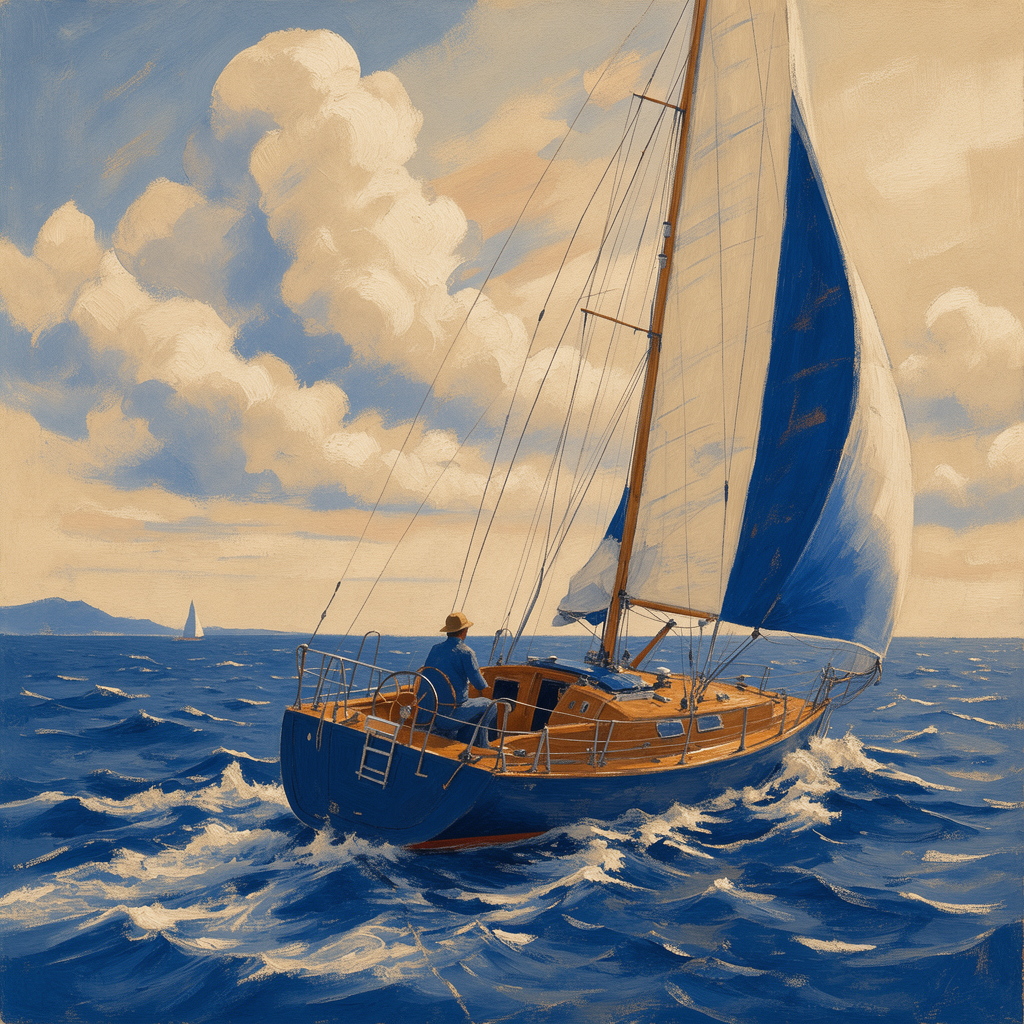
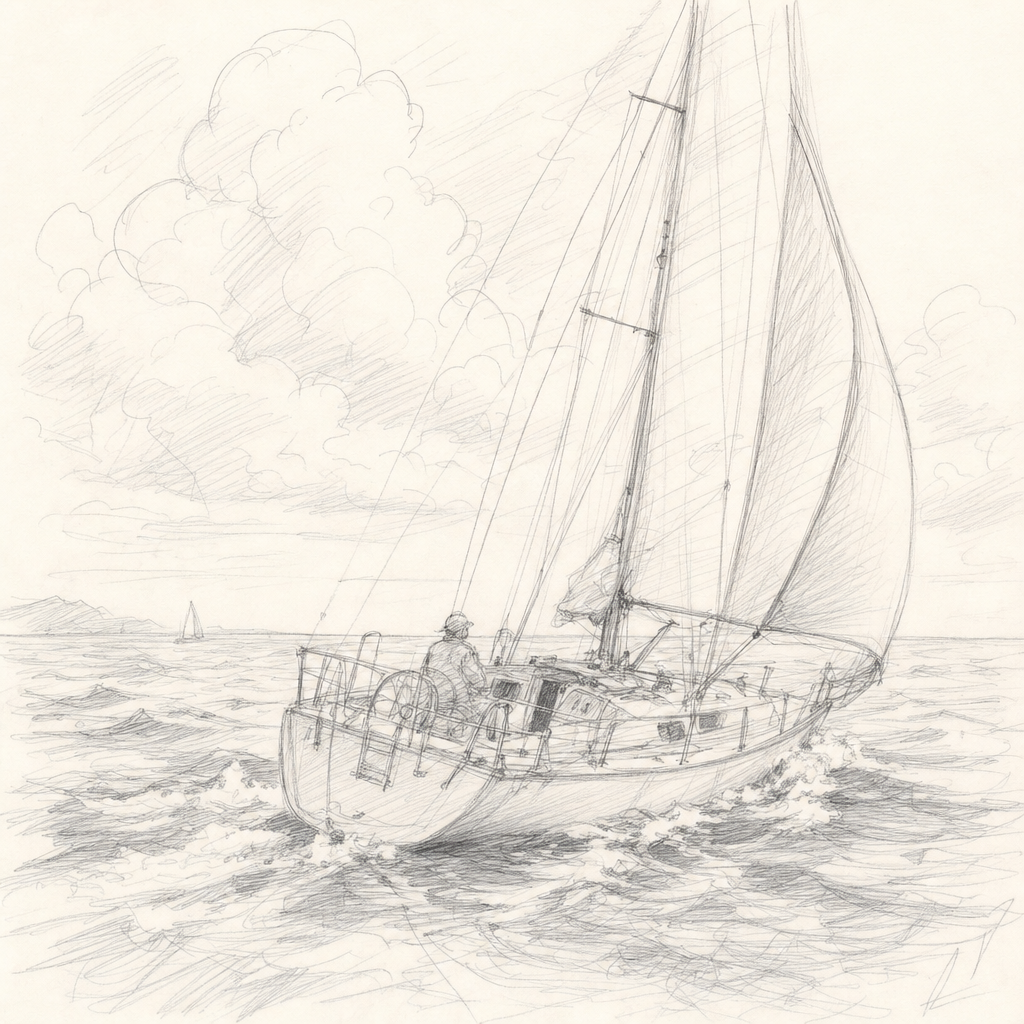
We take the sketch-to-painting LoRA we trained in chapter 9 and try it on sketches it has never seen before.
Staged demonstrations
We deliberately exaggerated the failure examples here so we can get to know their faces properly. We made them with GPT Image 2 and put a 'staged' label on every one.
The learning arc
One prompt the album never contained, and the entire run on a single slider. First we watch the identity arrive, then we watch the painter stop listening as the album takes over the scene.
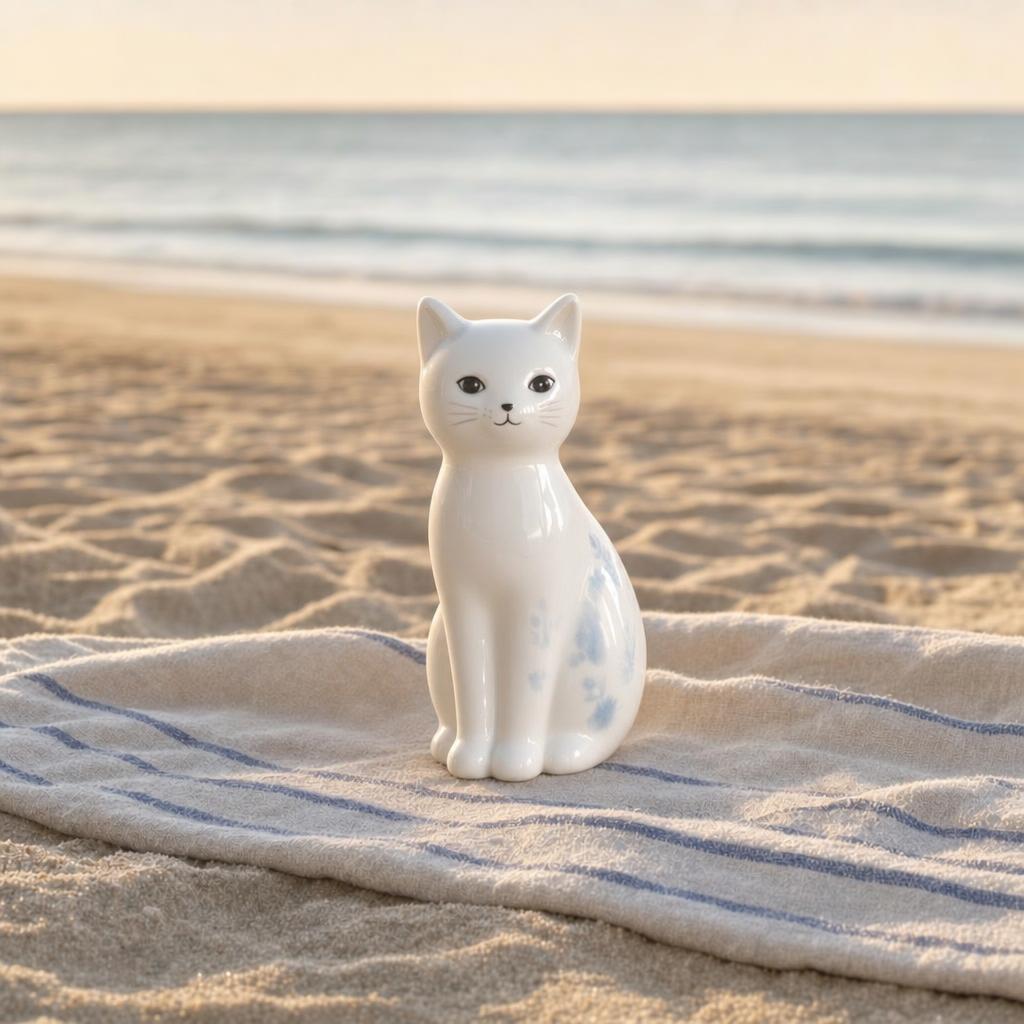
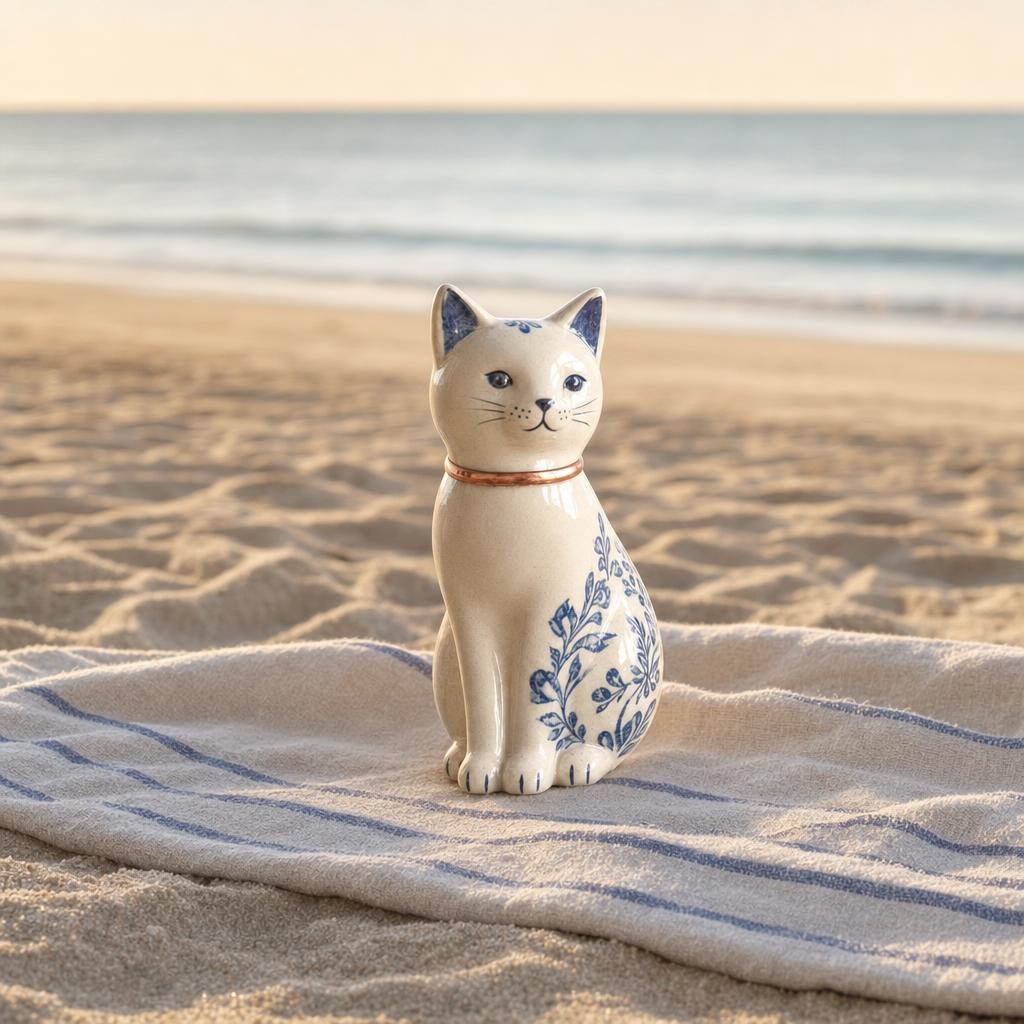
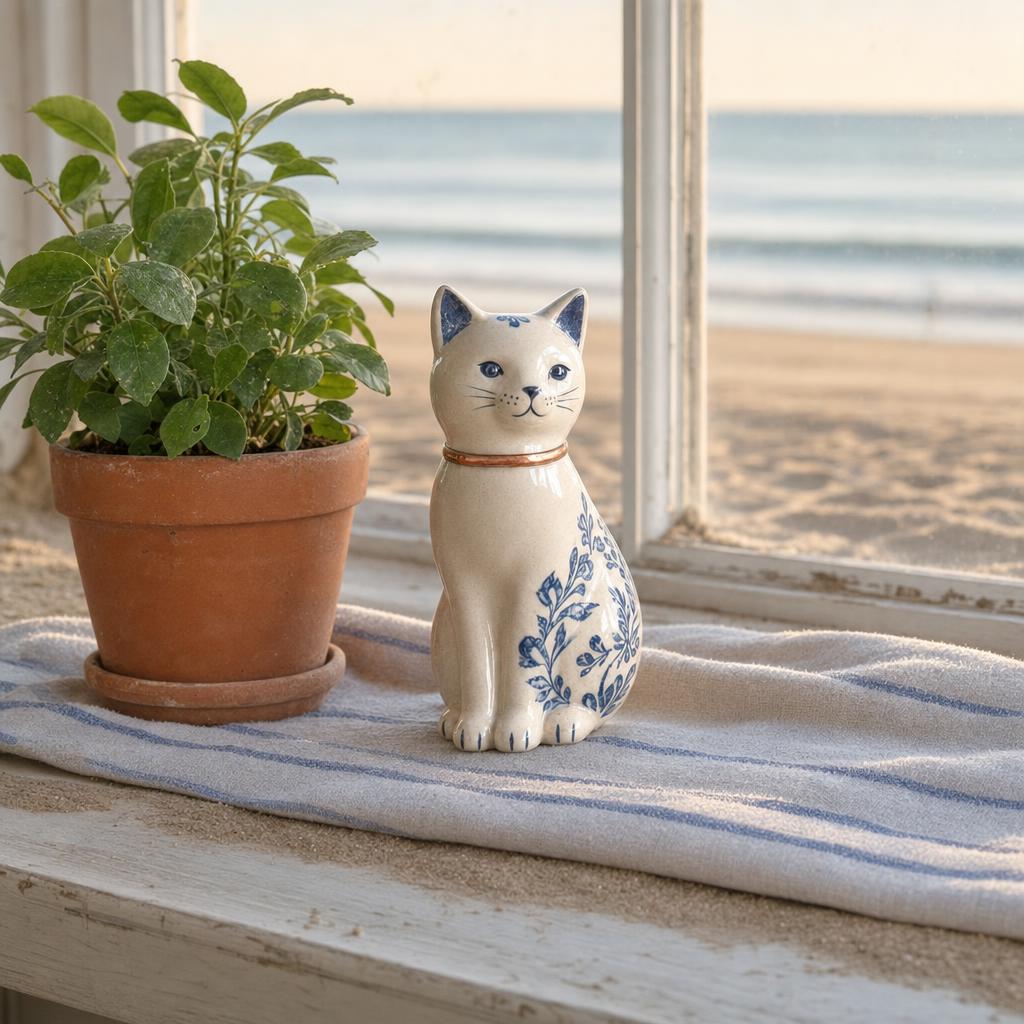
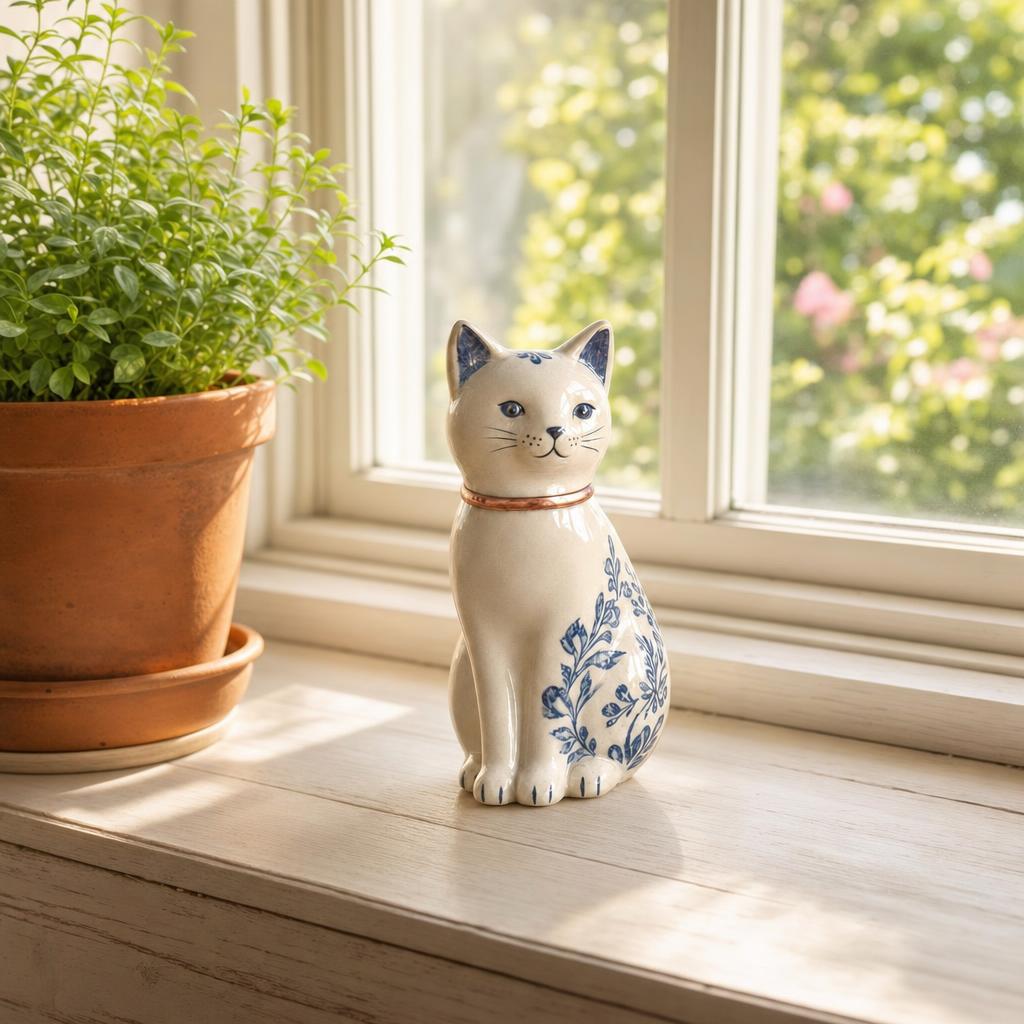 1000 stepsstaged
The sweet spot. We have identity and freedom at the same time: this is unmistakably TOK, in a scene the album never showed. This is exactly where we want to stop.
the prompt we used at every checkpoint: a photo of TOK on a striped beach towel by the sea. This is a staged demonstration; we exaggerated it a little so the whole arc fits on one slider. In real trainings the drift is much slower, which is exactly why it slips past so easily.
The eagerness knob
Let's picture the learning rate as a dial with three detents: a whisper, the default, and frantic.
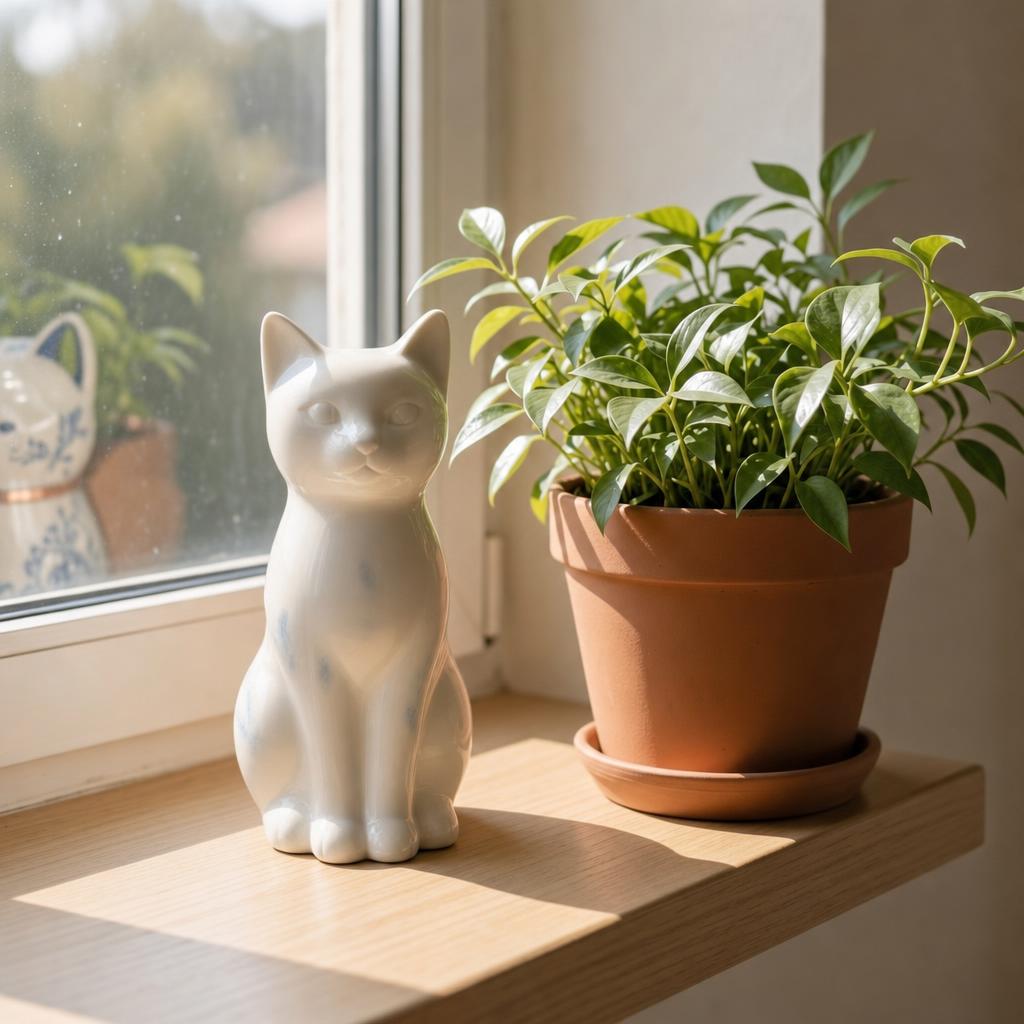
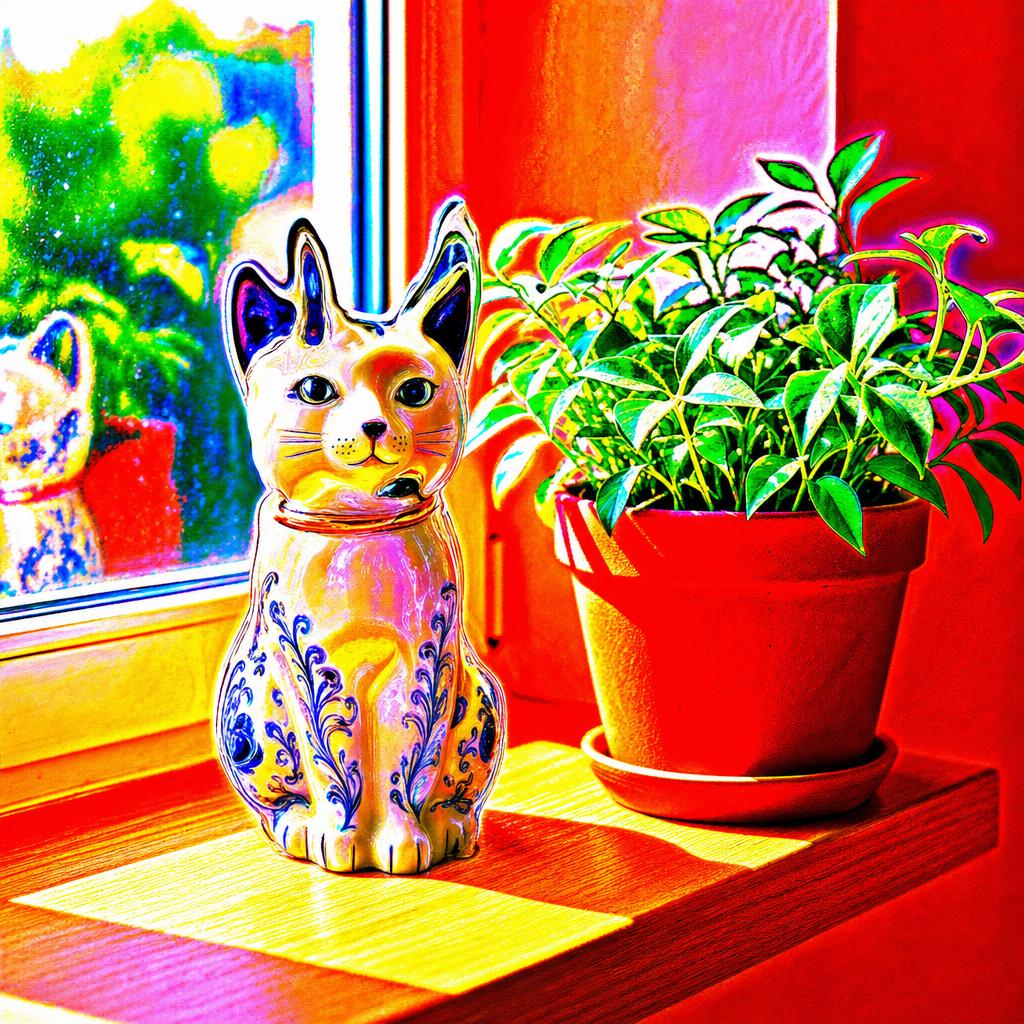 learning_rate = 5e-5
5e-5 = 0.00005 · the default
A real output from our Klein training at the default learning rate. The identity came through cleanly and the model's base skills are still in place. This is exactly what we're aiming for.
The middle detent is a real training output; the two ends are staged. We exaggerated them on purpose so the direction of each failure is obvious. In a real run the drift is far subtler, which is exactly why it slips past people.
The bicycle test
The two-second overfit check from chapter 4: we ask the painter for something the album never showed and see what he does.
prompt: a photo of TOK riding a bicycle
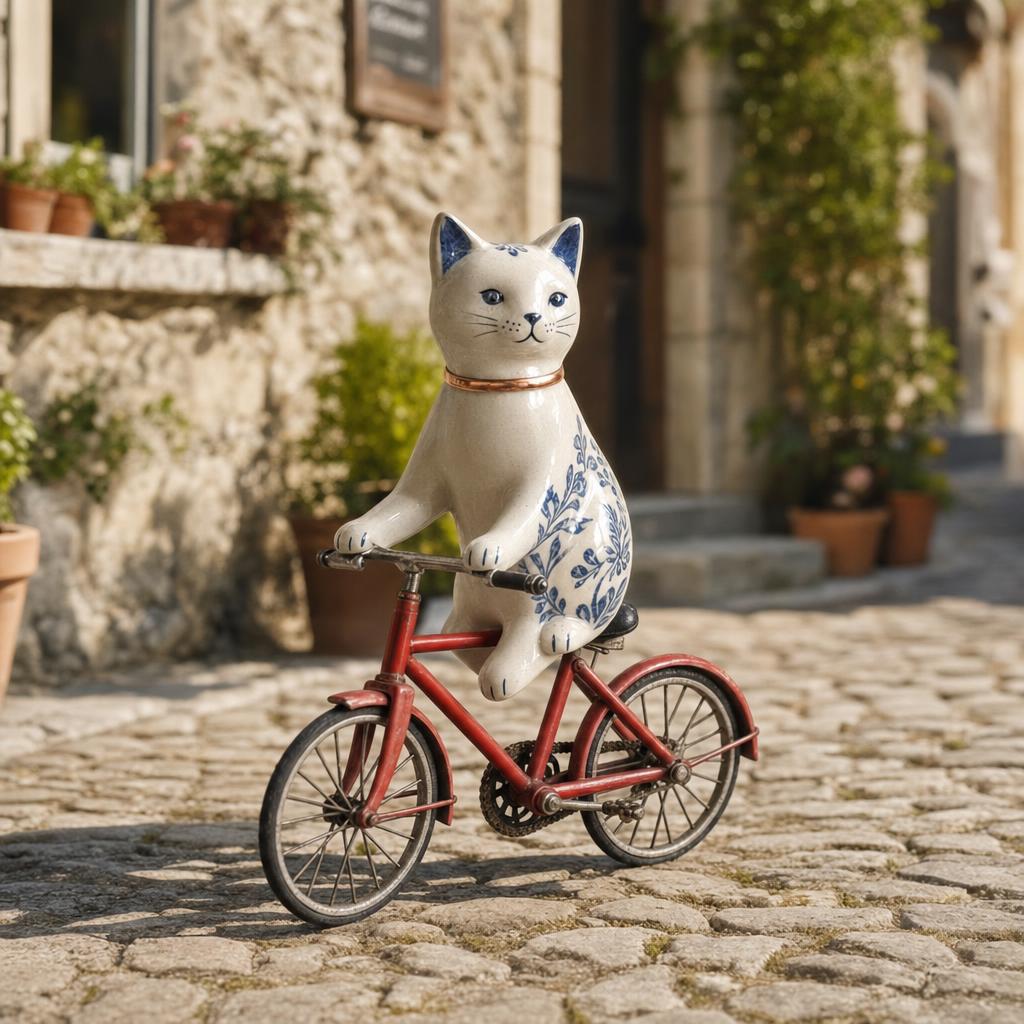
A healthy LoRA can improvise
The painter really learned what TOK is, so he can drop TOK into a scene the album never showed. The collar, the patterns and the proportions all carry over untouched.
An overfit LoRA hands the album back
So where's the bicycle? Gone. Instead of learning TOK as a concept, this LoRA memorized the photos; no matter what we ask for, it gives us back the windowsill it studied.
This one is staged too: we made the left image with an image editor to show what healthy behavior looks like, while the right is a real output from a late checkpoint, standing in for the memorized answer.
Let's test ourselves
We saved two little games for the end. I'd say they teach more than they let on.
Stop the run
This time we watch a training run in real time. We have exactly what a trainer would show us, the loss curve and validation samples, and we decide when to stop. The curve that actually matters only appears after we do.
validation samples will show up here during the run
Our job is simple: stop the run at the sweet spot. We have what every trainer gives us, the loss curve and validation samples, and nothing else. Let's see if we can catch the right moment.
The diagnosis clinic
There are six outputs and four possible diagnoses. Let's see if we can read a LoRA's health from a single image.
case 1 of 6prompt: a photo of TOK on a striped beach towel by the sea