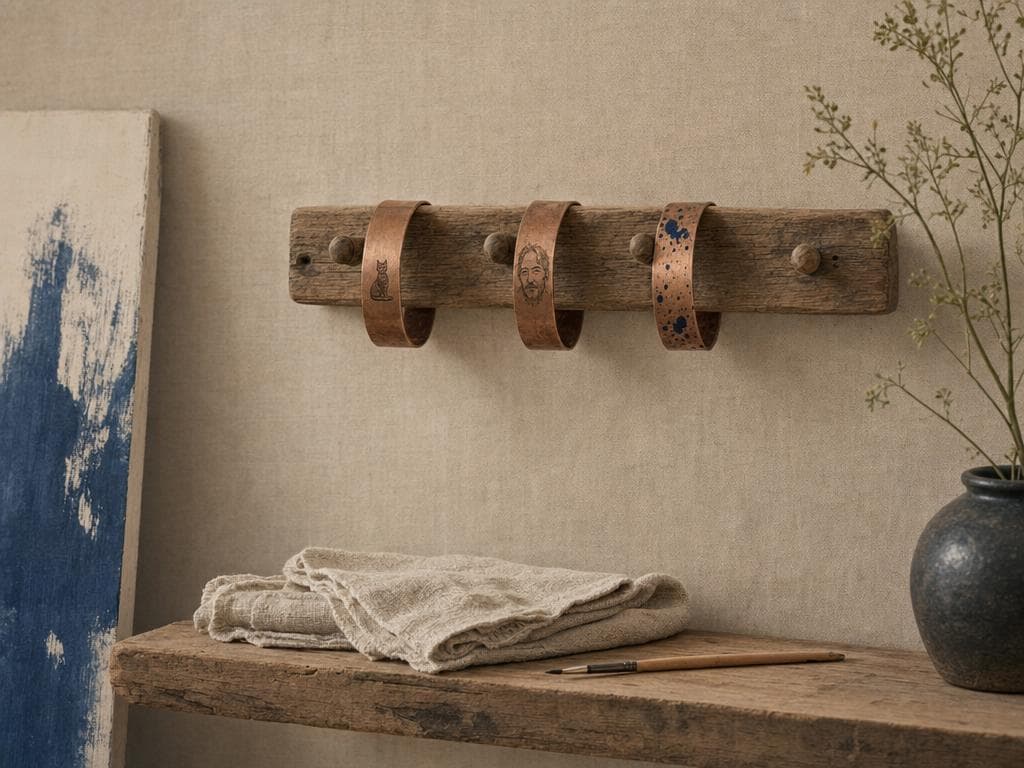
In every example so far, our painter has worn a single bracelet: TOK, our ceramic cat. Real shelves are messier than that. People train LoRAs for their own faces, their products, their drawing styles, and each kind bends the rules from chapters 2 and 3 toward its own needs. The mechanism never changes; the only thing that does is what stays constant in the album and what varies. That one sentence quietly decides everything we're about to see.
The person bracelet: MARA
Meet MARA, the case study we built for this chapter. Of all the commonly trained subjects, a person is the hardest one, because identity hides in tiny things (bone structure, the way a smile settles) while everything around it has to stay free to change. That exact difference is what our album needs to teach the painter:
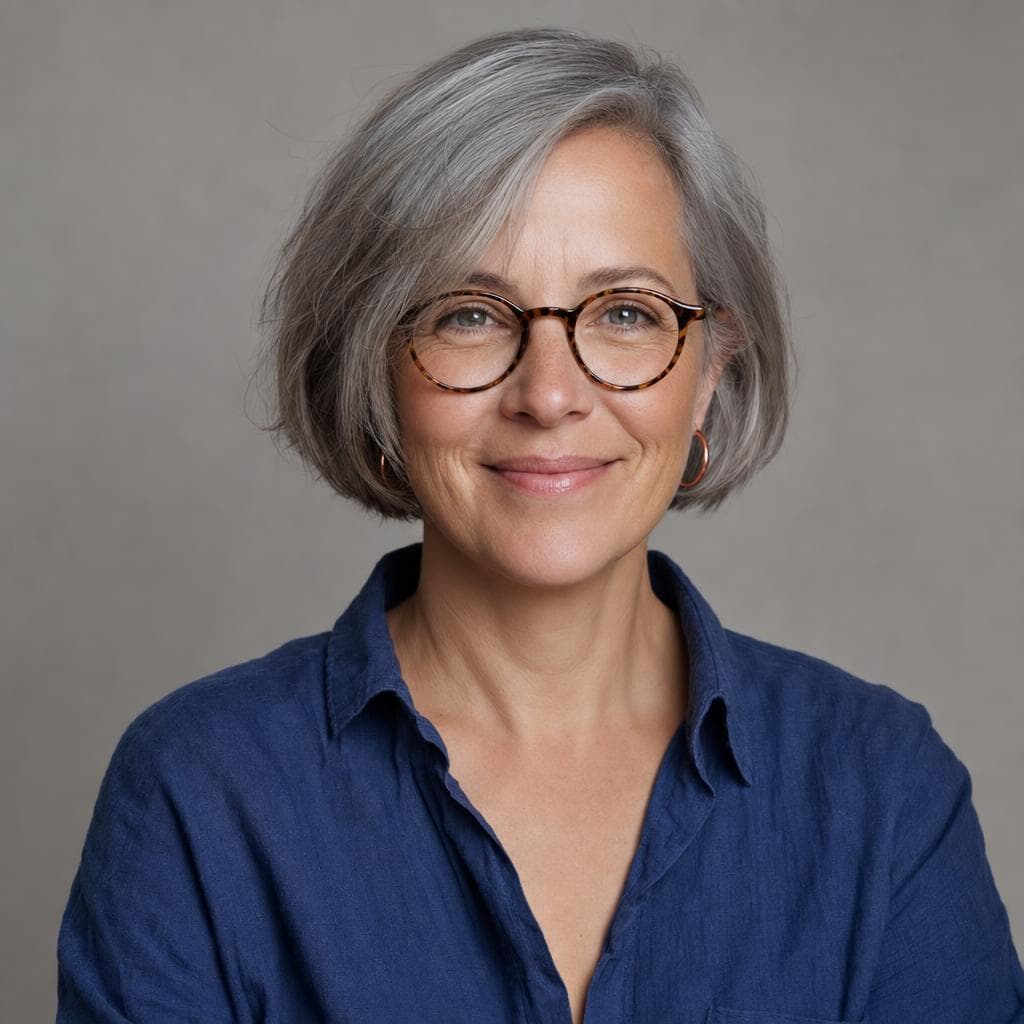
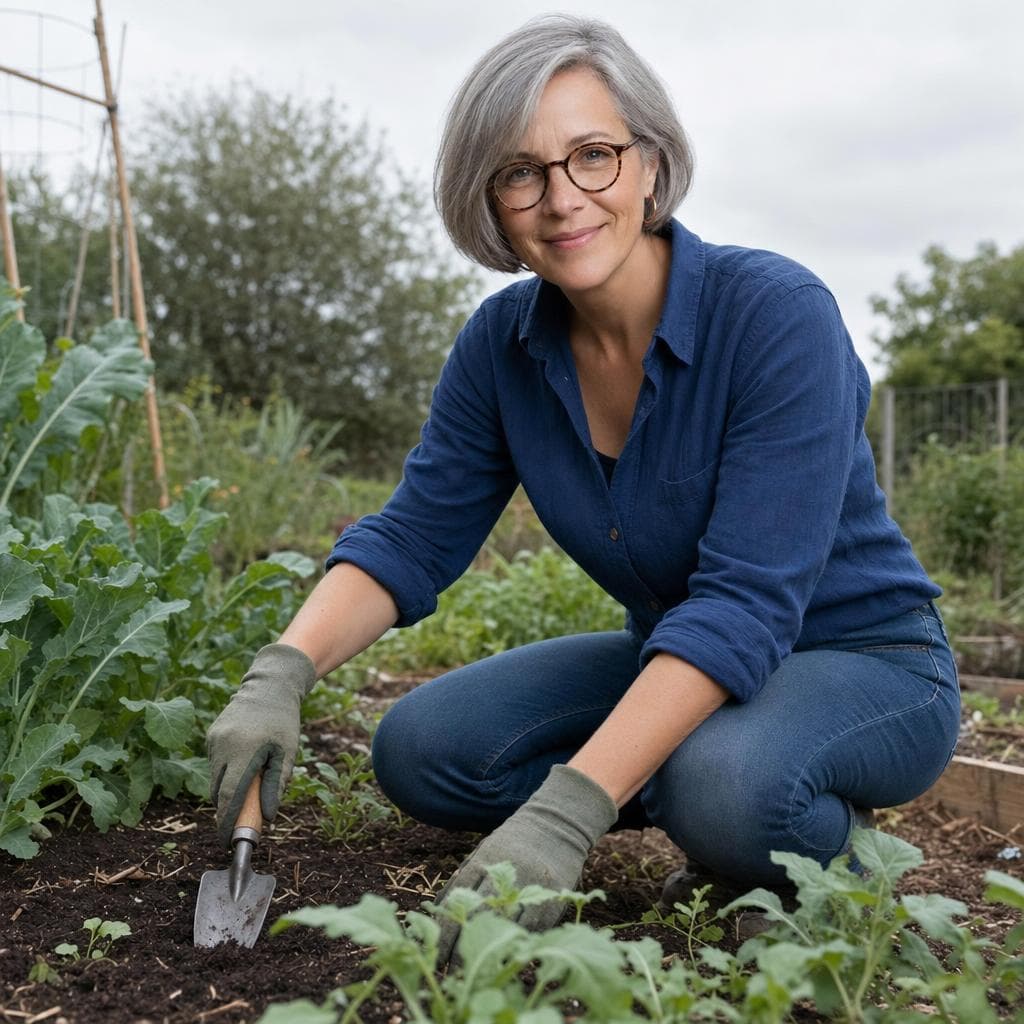
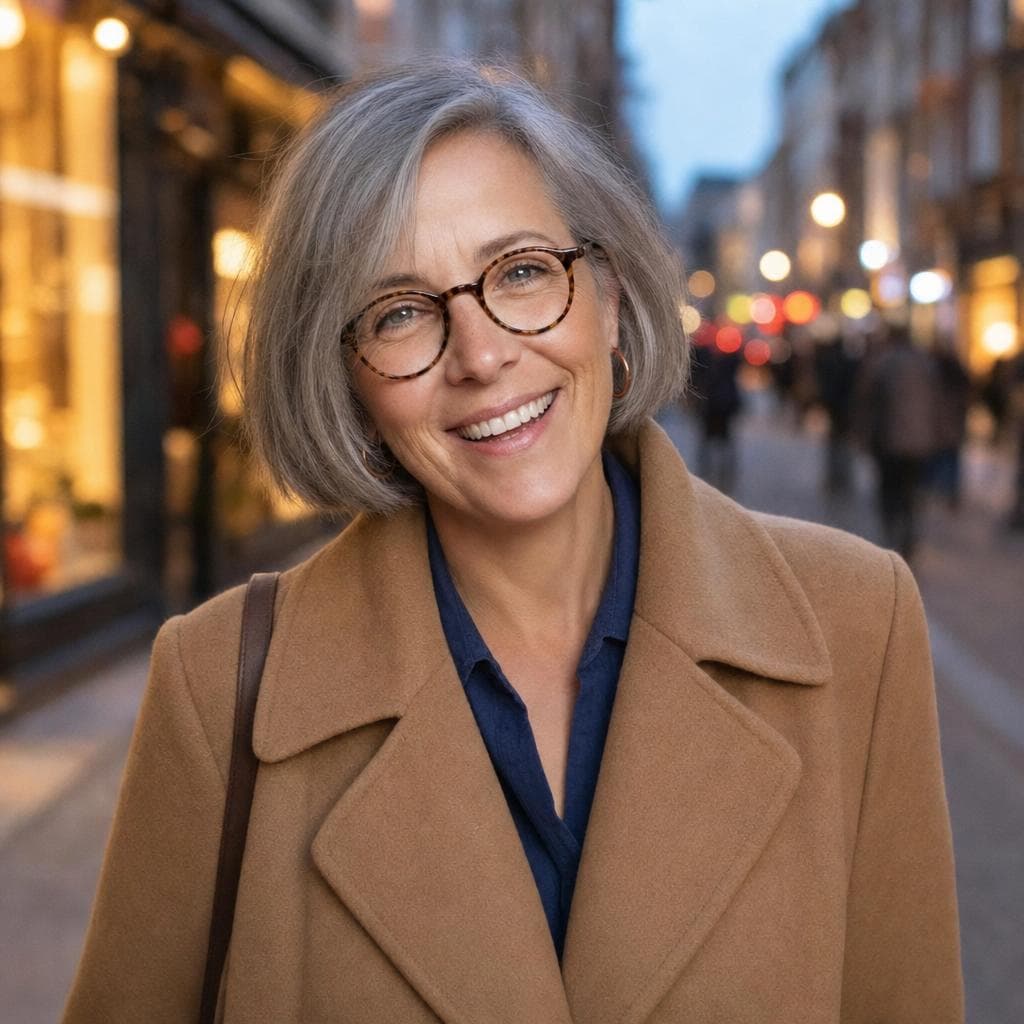
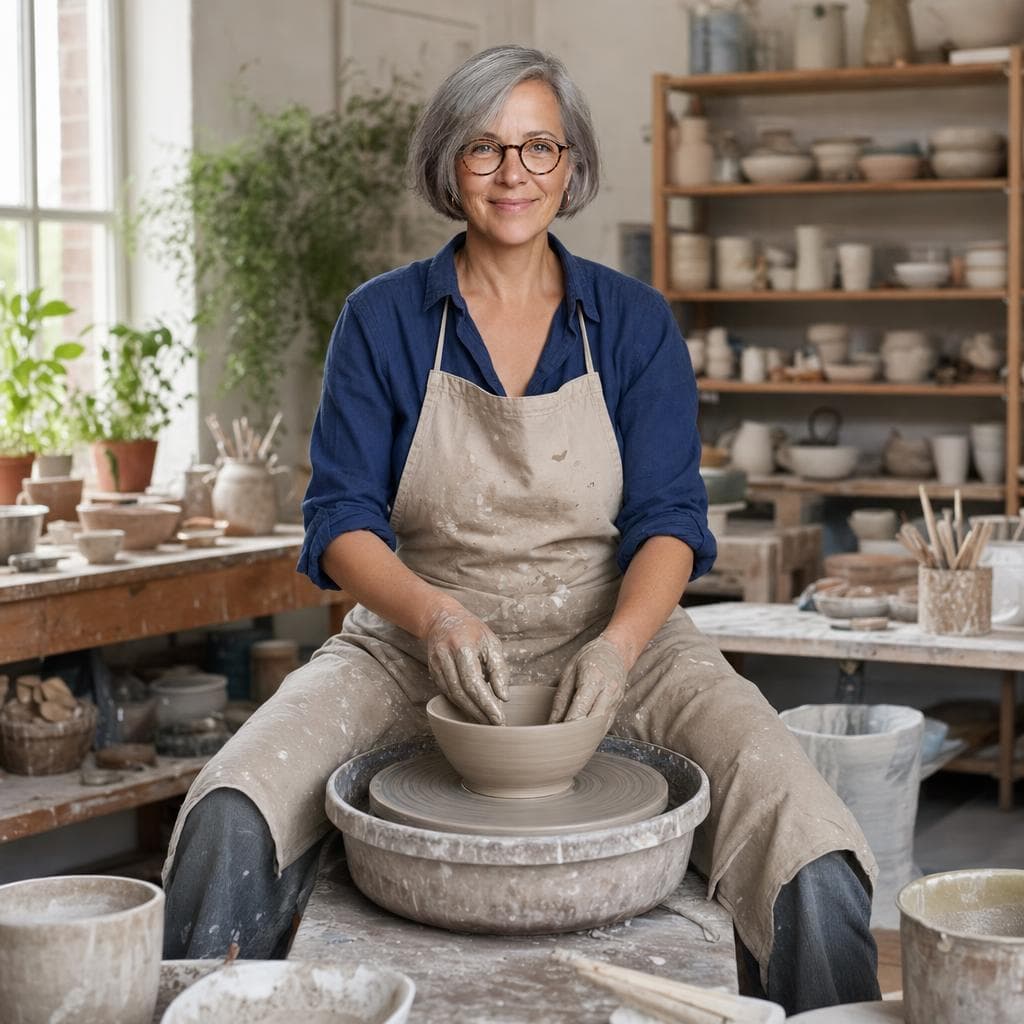
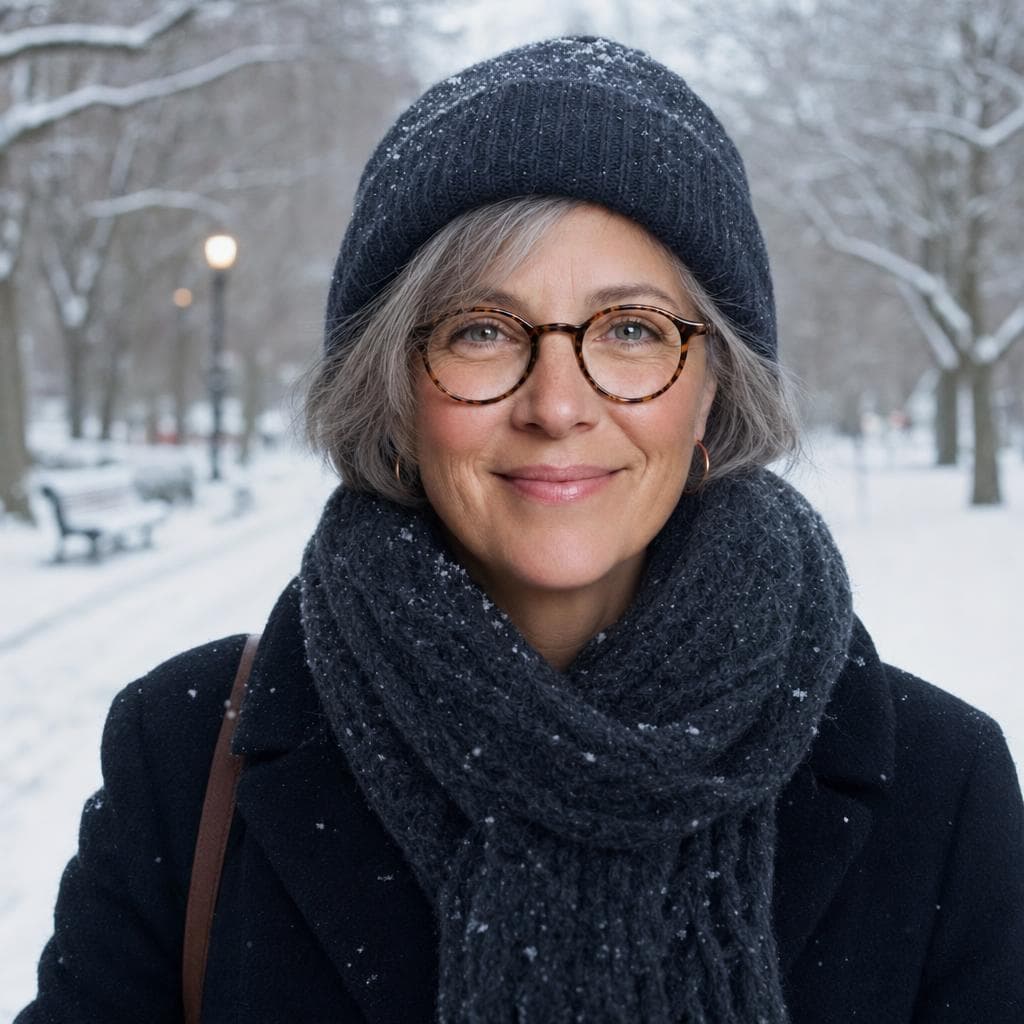

Look at what we changed on purpose: expression, distance, season, light, clothing. And there's a trap we left in the album deliberately: MARA wears glasses in every single photo, so the glasses will be learned as part of her face. If we wanted the glasses to stay optional, the album would need her both with and without them. Whatever our painter sees never changing, they file away as permanent.
- One person in the album. Any second face that shows up in any frame joins the blend. Crop the friends out.
- 15 to 25 photos spread across years beat 50 photos from a single afternoon. What does one afternoon teach the painter? One haircut, one mood, one light.
- This is where masks earn their keep. Trainers that offer
create_masksfocus on the face and stop caring about the wallpaper behind it. - Put everything that may change into the caption:
a photo of MARA woman laughing, wool coat, city street at dusk. The face stays with the trigger.
So why are face LoRAs the ones people overtrain most? Because the failure doesn't look broken; it looks boring in a very particular way:
prompt: a photo of MARA as an astronaut on a space station
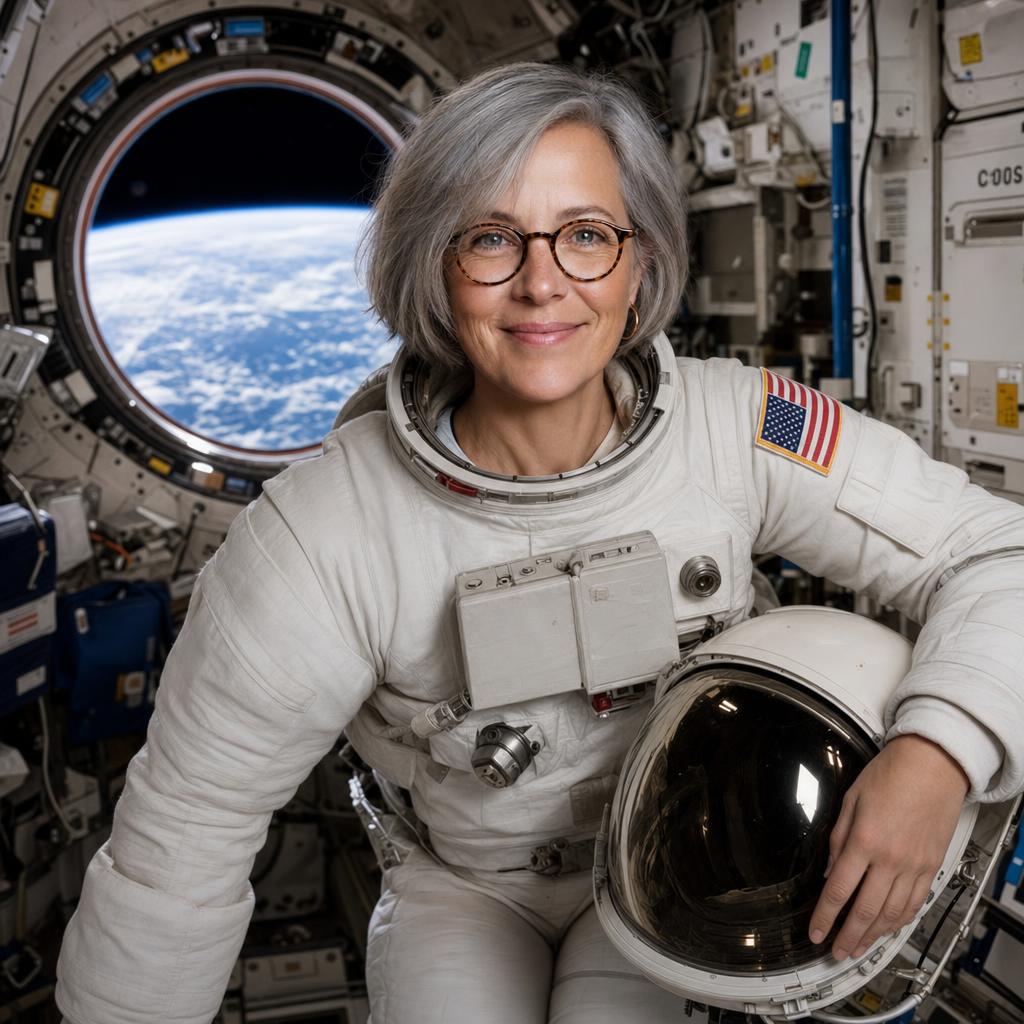
Healthy: the identity travels
Bone structure, glasses, and the set of the smile hold up even in a scene the album could never have contained.
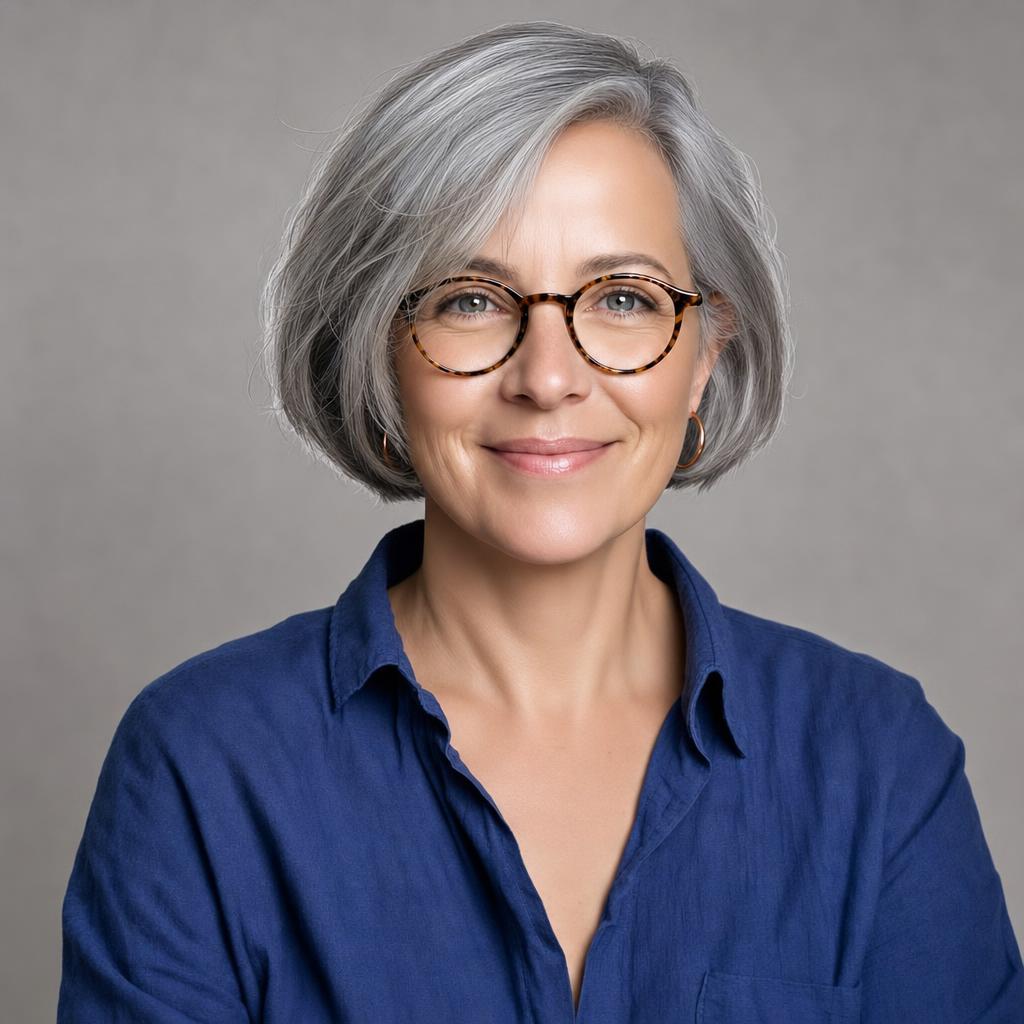
Overfit: the clone
Nobody is listening to the prompt. It's that same studio portrait again: head angle frozen, smile frozen, skin turned to wax. Whatever we type, this human-shaped photocopy is what comes back.
The product bracelet: KIVO
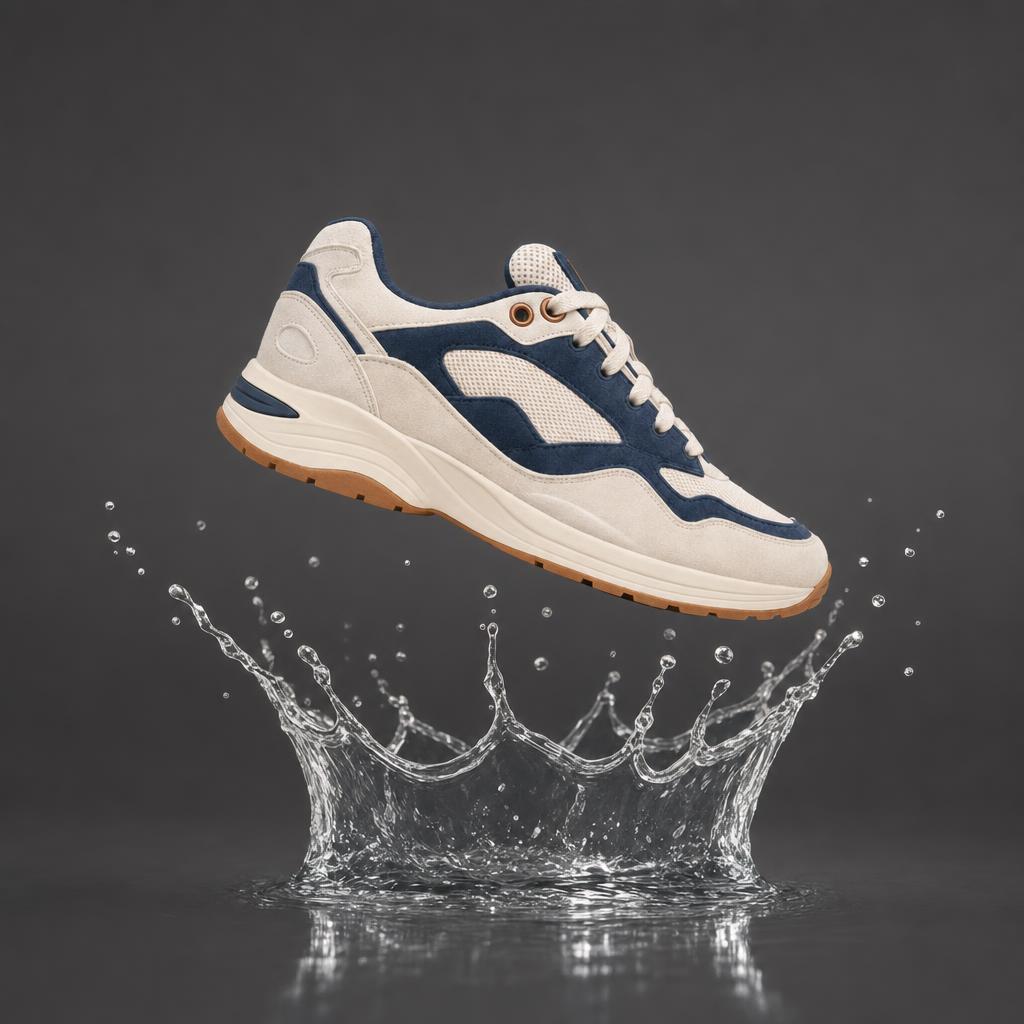
With products, the difficulty moves to the other side. A face forgives a millimeter of drift; a product never does. Silhouette, panel lines, materials... that's what identity means here. So the album has two real concerns: the geometry has to hold from every angle, and the close-ups that teach the materials need to be on the table too:
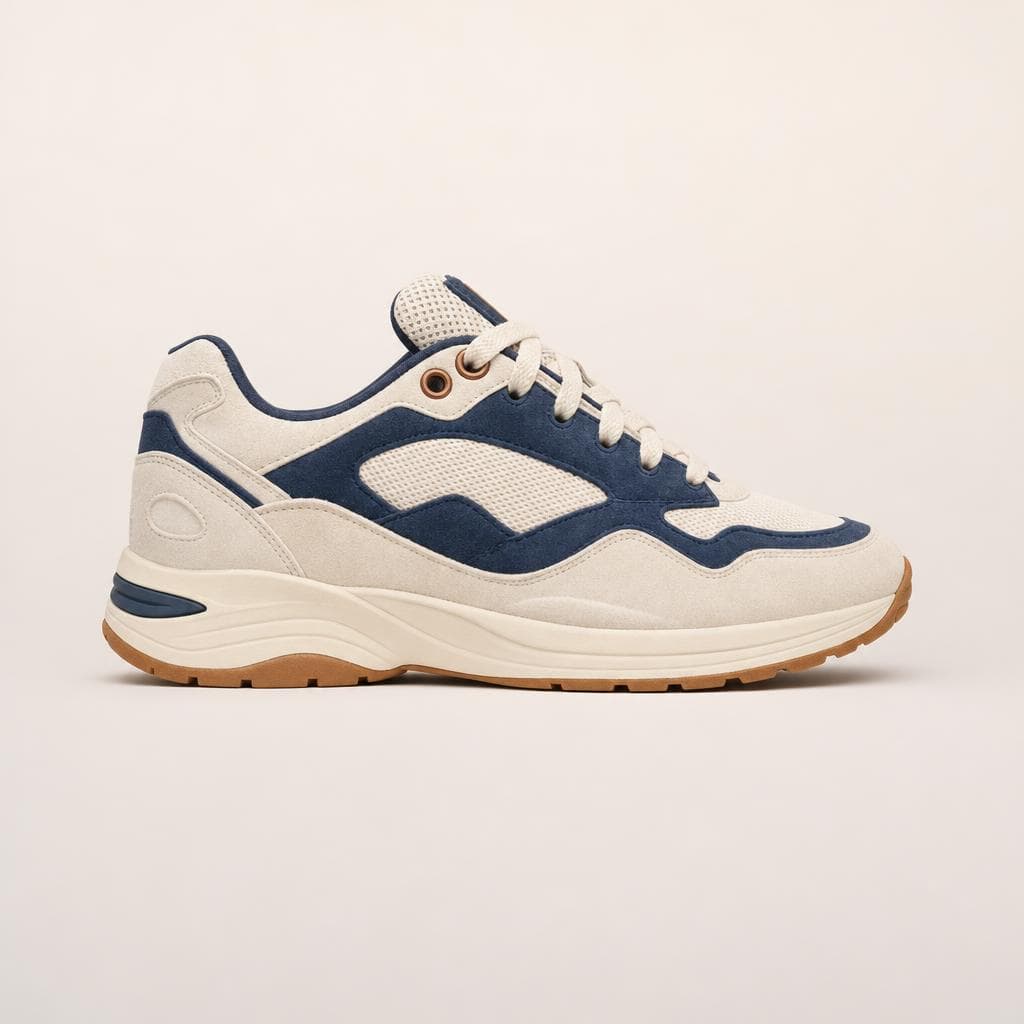
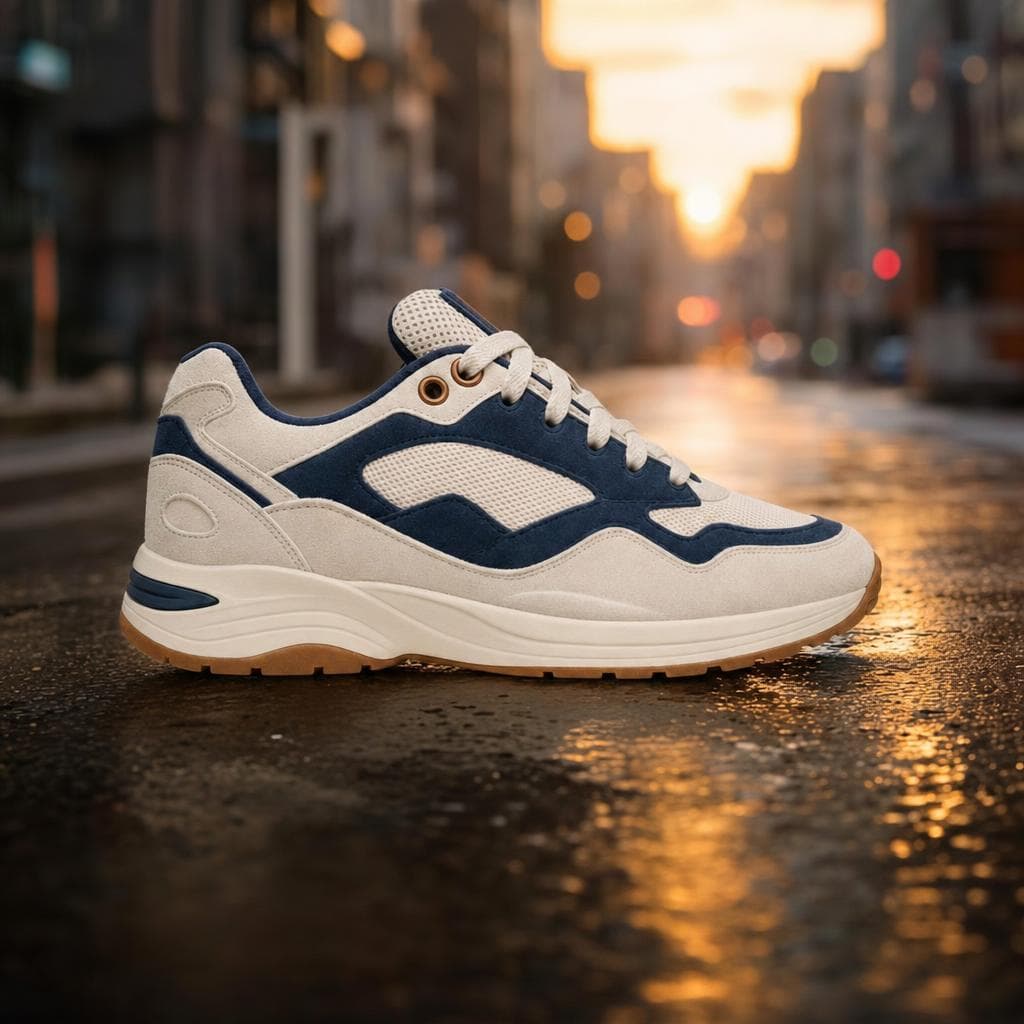
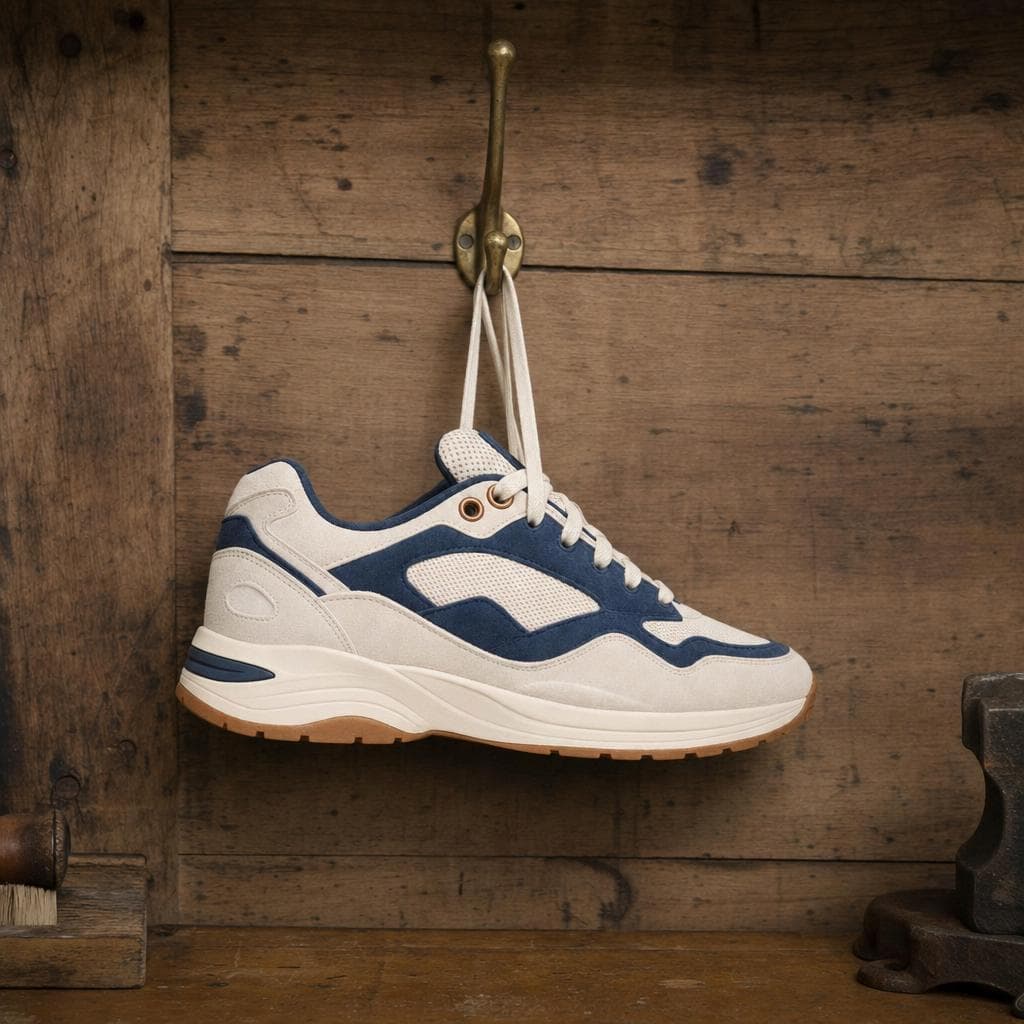
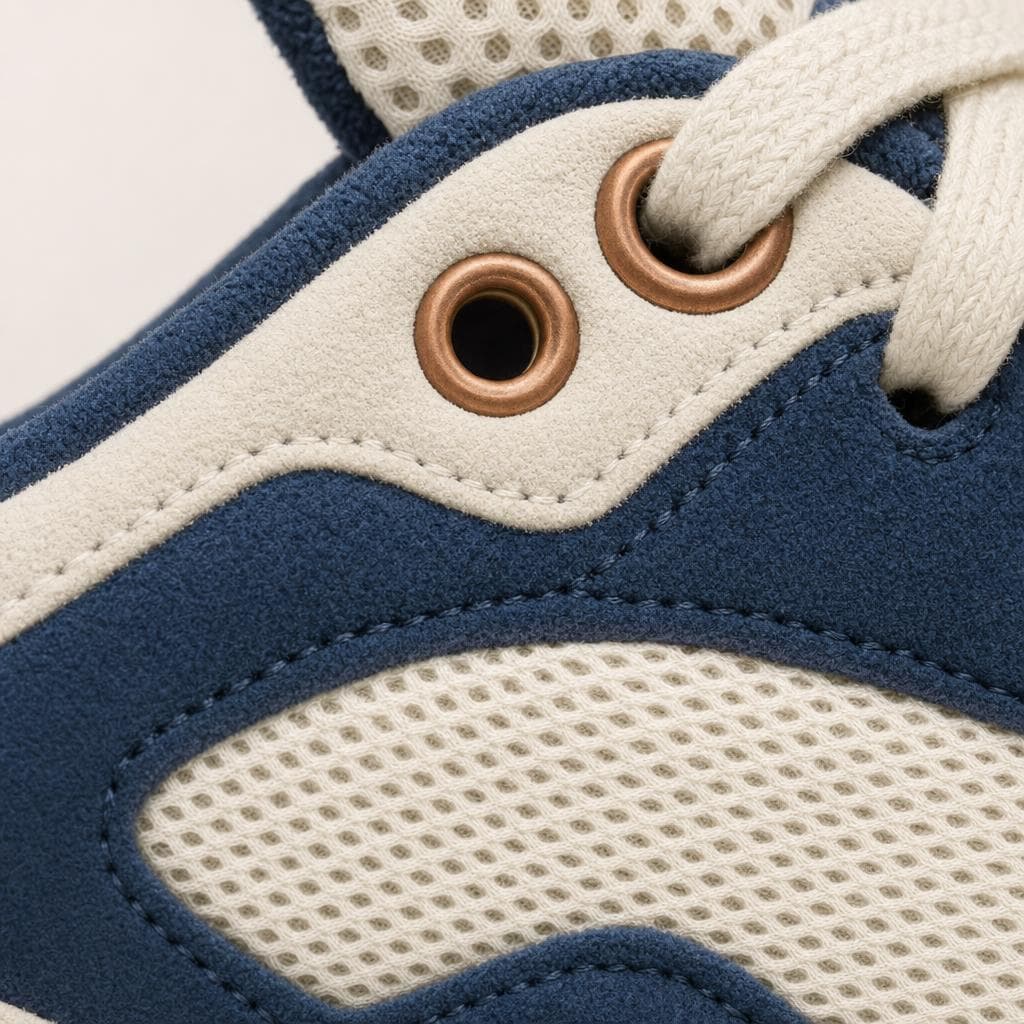
- Clean studio shots are the album's backbone: they lay out the geometry with nothing around to distract from it.
- Context shots teach light response: how the suede looks at golden hour, how the sole meets wet pavement.
- Macros teach material: stitching, eyelets, mesh. Those details are what sell the realism at generation time.
- Products get by on small albums: the subject is rigid, so 10 to 15 images are usually enough. Keep the step count low too; rigid subjects memorize fast.
And the payoff is lovely: one trained bracelet stands in for an entire photo studio:
The style bracelet: TOKSTYLE
With styles, the whole picture turns inside out. For TOK we kept the subject fixed and varied the world; in a style album we keep the way of painting fixed and vary the subjects: lighthouses, foxes, harbors, whatever comes to mind. That way, the one thing the images share is exactly the thing we want learned. These are from the TOKSTYLE gouache album we trained for this guide:
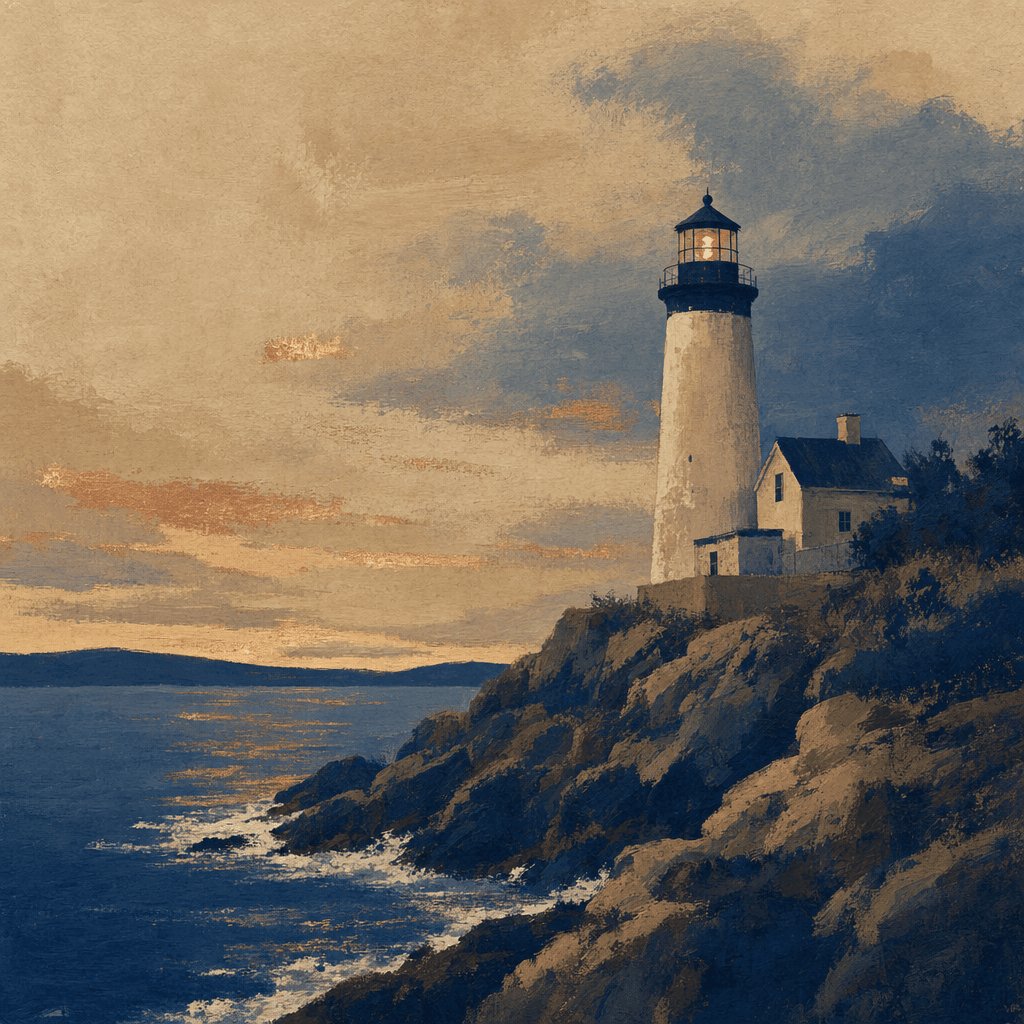
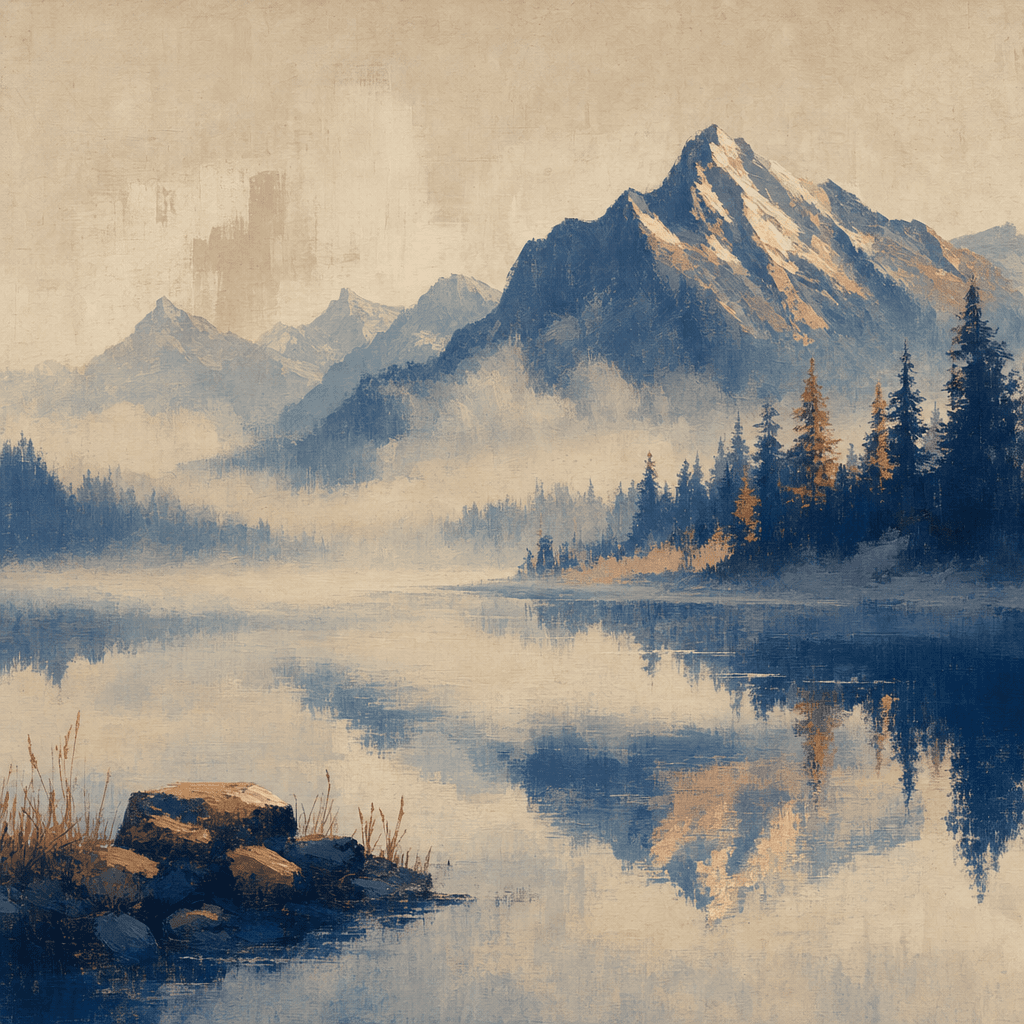
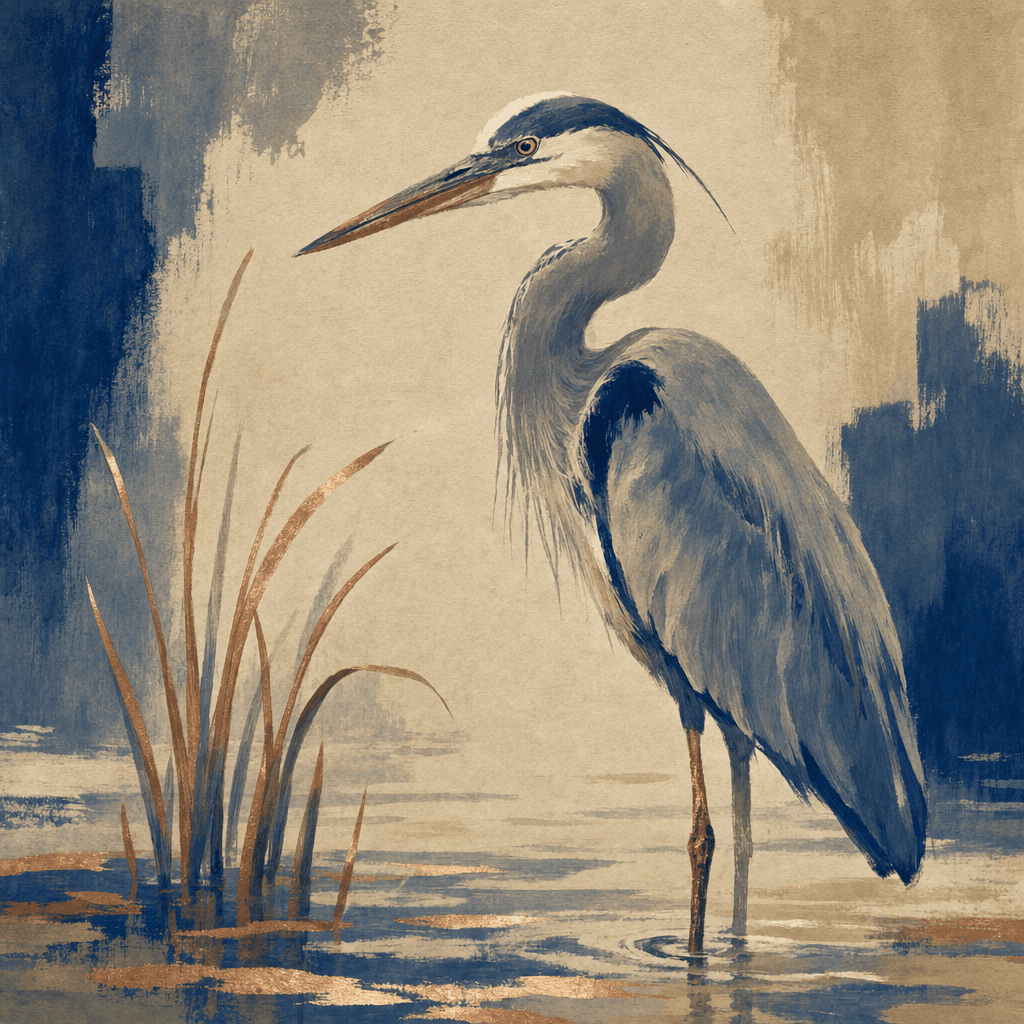
The captions flip along with the album: we describe the content (a TOKSTYLE painting of a lighthouse) so that the part we leave undescribed, the brushwork itself, flows into the trigger. And the classic style failure is MARA's clone in reverse: paint the same fox into ten of the album images, and a fox will sprout in the corner of every TOKSTYLE output.
Same knobs, different recipes
It's the same bench, but we're now holding four different recipes. The whole chapter fits on these cards:
Subject (object)
TOK, figurine
- Album:
- The object never changes; everything else does: angle, light, background, distance.
- Captions:
- We describe the scene and leave the object to the trigger.
- Smells like:
- Album backgrounds start leaking into new scenes.
Person
MARA
- Album:
- One person only; expression, pose, outfit, location, and the year the photo was taken all vary. No other face enters the frame.
- Captions:
- We write down everything we're allowing to change, outfits included.
- Smells like:
- The clone: the same frozen expression in every output, skin like wax.
Product
KIVO, sneaker
- Album:
- Studio shots, plus context shots, plus macro details. The geometry can't be off by a millimeter.
- Captions:
- We describe the surface and the setting; the silhouette is the trigger's job.
- Smells like:
- Proportions drift in wide shots and the logos melt.
Style
TOKSTYLE
- Album:
- This time everything flips: lots of different subjects, one way of painting.
- Captions:
- We describe the content; whatever we leave undescribed becomes the style ITSELF.
- Smells like:
- The style fuses with a repeating subject and drags it into every image.
is_style on some trainers, which switches off subject-only tricks like masking; Chapter 6 has the details. Everything else above comes down to dataset discipline.Full disclosure: MARA and KIVO are synthetic case studies we generated with GPT Image 2 to show off dataset design and failure patterns. TOK and TOKSTYLE are LoRAs we actually trained, and the labs are there for poking at them.